



The President of the United Steelworkers Local 1-417 says he is concerned about the misuse of personal protective equipment in the fight against COVID-19.
Marty Gibbons, who is also a safety professional, says many of the workers he represents have been reaching out asking for equipment to protect themselves.
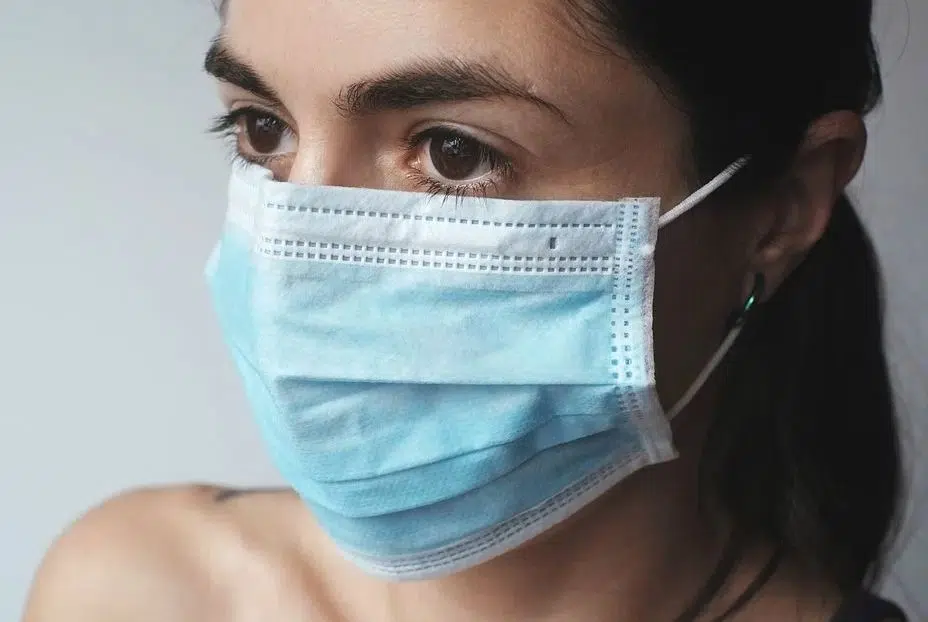
“Personal Protective Equipment like masks can provide a false sense of security for workers,” he said. “They are a line of defense but they should be the last line of defense, and when they are not used properly, the effectiveness of a mask say that’s used repeatedly actually brings a risk of transmission due to people touching it or taking it on and off.”
With industry ramping up production efforts, Gibbons believes that sooner rather than later, Canada will have enough protective equipment for people who need it here.
“It’s really tough right now with the lack of personal protective equipment. Many of our workers are seeking masks and we’ve been telling that we’re having trouble securing those for emergency rooms and front line critical care staff,” Gibbons said.
“There’s a lot of fear right now, and there’s a lot of workers that are scared to go to work, but still doing it because they know how important what they do is.”
On Tuesday, the federal government allocated $2-billion to buy more protective medical equipment, and on Thursday, Prime Minister Justin Trudeau says more than 11-million face masks have arrived in Canada in recent days.
Speaking during her Wednesday press conference, Provincial Health Officer Dr. Bonnie Henry said wearing homemade or non-medical masks may prevent people from spreading droplets that cause COVID-19, but added that wearing a mask likely does little to protect a person from the virus.
It’s as the World Health Organization and the U.S. Centers for Disease Control is also moving in favour of the use of masks during the pandemic.
“This is something we’ve been considering as well, knowing what’s been going on around the world” Henry said.
Several Canadian public health officials – including Henry and Canada’s Chief Public Health Officer Dr. Theresa Tam – have previously said people who are not sick do not need to wear masks in public, and should instead continue to practice physical distancing, frequent hand washing, and avoiding touching their face.
Henry added the supply of approved medical masks and respirators must be reserved for medical workers, COVID-19 patients, and others working in health care.
“If you are going to wear them, it can help reduce droplets you shed into the environment and if somebody is infected and has mild symptoms or is early on in the illness it can prevent you from putting those droplets out,” Henry said. “That’s probably OK.”
“But we need to be careful what is not proven is that they provide you with any protection. That’s the really critical part.”
There is currently no global consensus on whether a widespread use of face masks would slow down the spread of COVID-19. But some European countries are moving towards mandatory face masks, with the practice also common in several Asian countries.