



B.C.’s top doctor says non-medical masks will not be mandated as kids get set to return to school next week.
However, Dr. Bonnie Henry says people in schools will be allowed to wear masks as an added layer of protection, if they choose to do so.
“We know that there are some people who are not able to wear a non medical mask, whether for medical reasons or for reasons of disability,” she said, during her update on Tuesday.
“They are an extra tool that can be layered on, something that’s for short term use for when you can’t maintain your safe physical distancing or where there’s not barriers in place to protect you.”
Henry says the move is similar to measures in other jurisdictions around the world where schools have opened, that B.C. has been learning from.
“The really important things that we are looking at are smaller numbers of students who stay together so they’re not mixing through the day, staggering times to come in and leave, making sure that they can physically distance, hand hygiene on a regular basis, all of those things that we know are effective,” Henry added.
“Those are the things that we’re focusing on.”
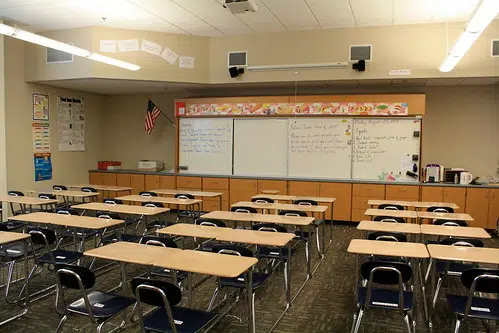
Kindergarten-grade five classrooms will be at a maximum of 50 per cent capacity, while grades six-to-12 will be at no more than 20 per cent of capacity.
Henry is also confident that things will be much cleaner in schools when they reopen than they were this time last year. Speaking on the NL Morning News, Board Chair Kathleen Karpuk says the Kamloops-Thompson School District will be hiring 17 new custodial staff to help meet new COVID-19 cleaning standards.
No overnight camps for school aged children
Also on Tuesday, Dr. Henry says there won’t be any overnight camps allowed for school-age children. She is however encouraging day camps for when the students head into their summer break, as long as the numbers are low and physical distancing is possible.
“There’s not a situation that we can see this summer where overnight camps for youth, for school-aged kids can be done in a way that would prevent transmission of this virus,” Henry said.
“The other issues that we’re seeing around many of these camps, they are in more remote areas where it can be a challenge to access health care, or there are concerns from some communities that it could be people, children, coming from many different areas and having effects on their small communities.”