




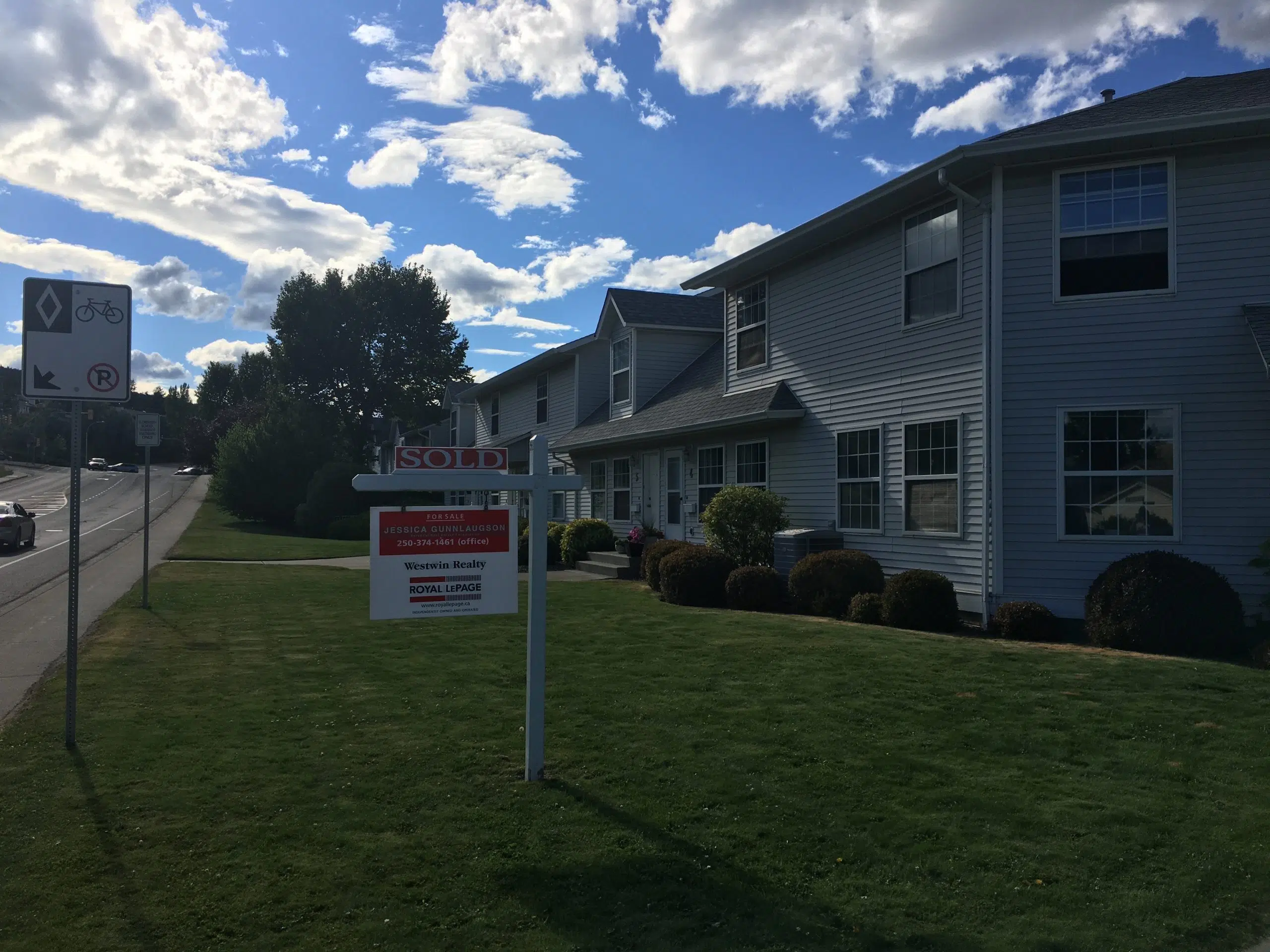
Home prices in Kamloops remained high in October, as the market remains red hot and continues to hold up despite the pandemic.
Single-family homes sold, on average, for $545,079 last month, which is the third-highest average monthly price on record. In September, single-family homes were sold for more than $564,000 on average, which smashed the price record in August of more than $545,200.
The average property in Kamloops sold for $490,114 last month, which is a 5.3 per cent increased from October of 2019.
Kamloops and District Real Estate Association president Wendy Runge says across the region, the average home price last month was $466,113, which represents an 8.9 per cent rise from 12 months earlier. KADREA also includes Sun Peaks, Chase, Cache Creek, Clinton, Ashcroft, Logan Lake, Merritt, Barriere and Clearwater.
Runge says market activity last month made it the best October in 10 years.
“For the fifth month running we’ve reached record-setting sales in Kamloops. And, though we are still far from our performance in 2017, it will be interesting to see if we’ll be adding another couple of record months in Kamloops. I believe we could be looking forward to a stable market in 2021.”
Runge says the Kamloops market is adding units for sale than it’s selling, which she has repeated as being a key factor in prices levelling out.
“More than inventory, I think it is the demand for single-family homes in the region that’s driving the average prices to increase by five-seven per cent every month since COVID-19 restrictions were lifted in July,” she says.
Past president of the Kamloops Chamber of Commerce, Joshua Knaak, says historically-low interest rates are continuing to play a role. The Bank of Canada said last week it expects its benchmark interest rate of 0.25 per cent to last until at least 2022, and likely into 2023.
“Interest rates on houses right now, I don’t recall any other time it’s been this low. It’s beneath two per cent. And it seems to have spurred on the real estate market, if you talk to realtors at least in Kamloops,” Knaak says.
“B.C. is such a real estate-based economy that if we can keep that going, then it’s a pretty significant industry that can still continue to drive our overall economy.”