




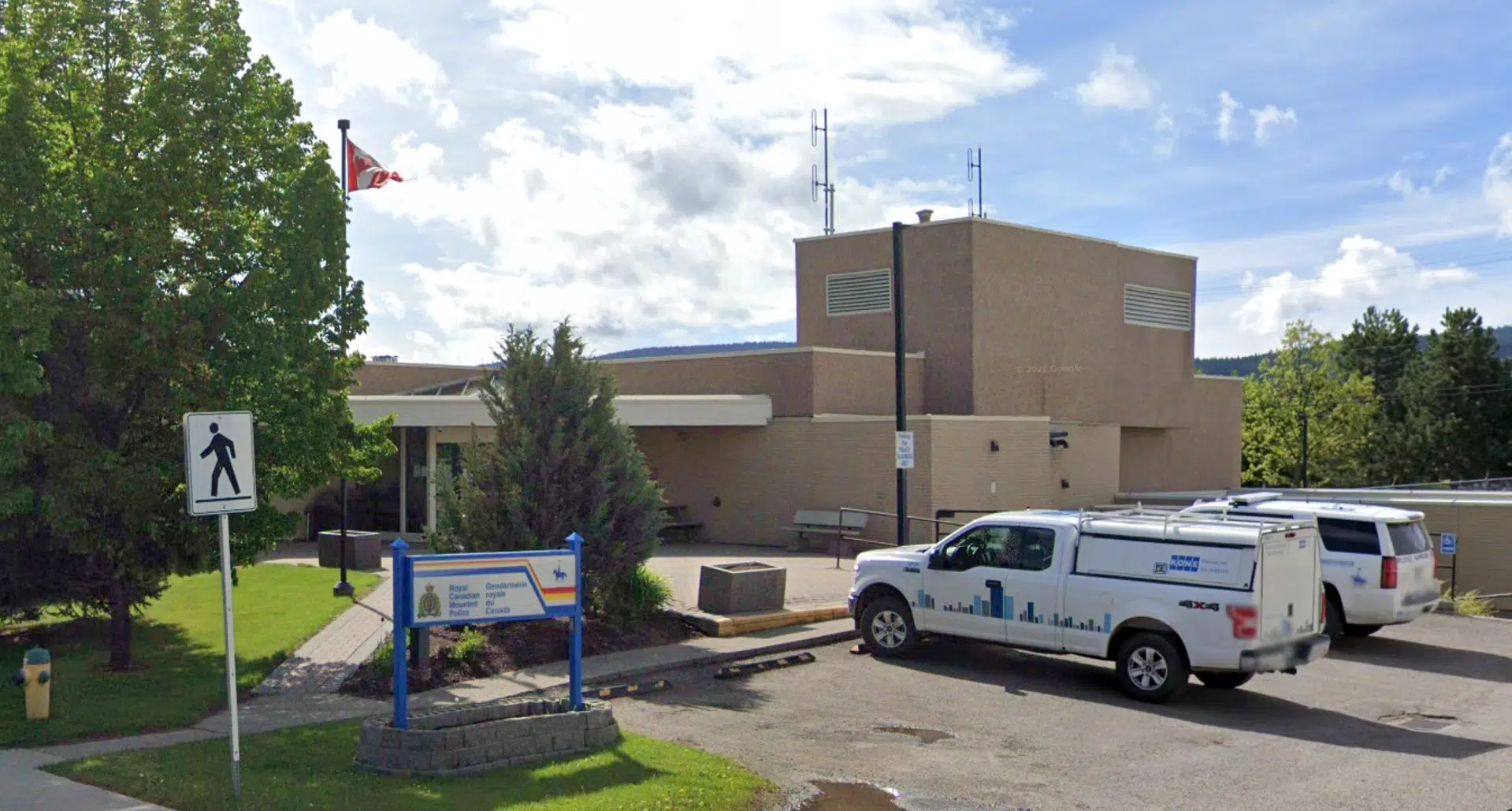
The Williams Lake RCMP Detachment. (Photo via Google Maps)
B.C.’s police watchdog is calling on the province to develop a better way for police to handle intoxicated people – and it wants the changes to be implemented as soon as possible.
The Independent Investigations Office (IIOBC) made the call in a report released today, Oct. 30.
It concluded that RCMP officers in Williams Lake were not negligent in failing to call an ambulance for a man who collapsed and nearly died while being held in custody last November.
“Too many people die in police custody, often through no fault of the police,” IIO Chief Civilian Director Ronald MacDonald, said in the report.
“The care of intoxicated persons should not be a police responsibility. It is a health care issue. It is time for government to take steps to facilitate the changes necessary to ensure intoxicated persons who need care receive it from trained health care professionals.”
The IIO report says officers in Williams Lake thought the man – who was arrested for theft under $5,000 and breach of a probation order – was in “withdrawal” during his two days in cells.
It notes the man spent the night of Nov. 13 in a detox cell before being moved to a regular cell the next night. It also notes he was “not exhibiting any signs of medical distress” during the day on Nov. 14, but that he began to vomit that night and through the next day, Nov. 15, and was eventually “struggling to breathe.”
The man suffered a seizure at the hospital the morning of Nov. 16, and became hypoxic and was intubated. He was taken to Royal Inland Hospital in Kamloops, where the report notes he continued to suffer seizures “and periods of reduced consciousness” before his eventual discharge on Nov. 28.
A medical report to the IIO from an “experienced emergency room physician” noted the RCMP’s call for help was actually “optimal” for the man – saying had it comes any earlier, doctors would likely have sent the man back to cells, while any later would have been fatal.
“This case, however, still raises concerns about how intoxicated prisoners are housed generally in British Columbia,” MacDonald added. “Officers and jail guards are not trained medical personnel, and jail cells are not the best place for such prisoners. Holding intoxicated persons in police cells, ostensibly for their own protection, guarded by people who are not trained health professionals, is an outdated practice, and proven not to provide adequate guarantees of their safety and health.”
“There are other options, including sobering centres and having health professionals on site to assist with the care of intoxicated persons. Both of these options are already utilized in various locations in British Columbia.”
You can read the IIO report in its entirely here.