




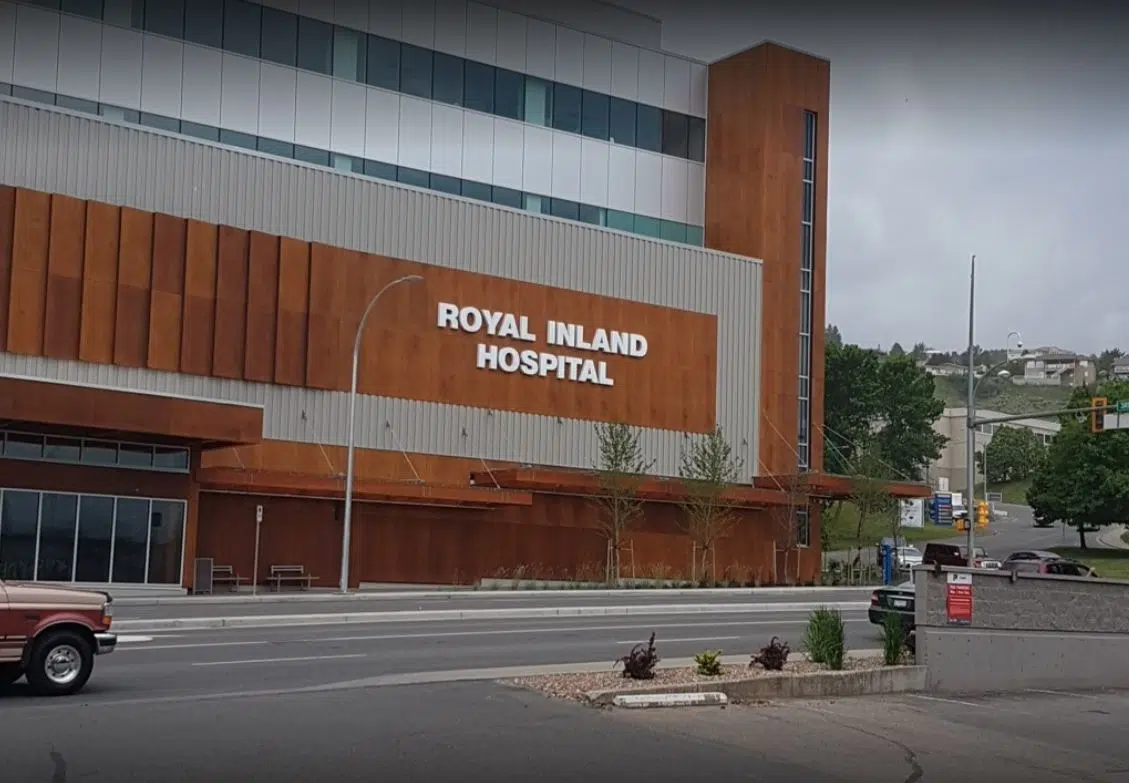
There is still a doctor shortage at Royal Inland Hospital in Kamloops, but its not clear exactly how many vacant positions there are at this time.
That is what RIH Chief of Staff Dr. Elizabeth Parfitt told the Thompson Regional Hospital District last Thursday.
“We don’t necessarily have perfect definitions of how many physicians we need to have in each specialty,” Parfitt said, responding to a question from Logan Lake mayor Robin Smith. “So I might have to come back to you with a better guess on how many unfilled positions we have looking globally, looking at all of our several hundreds of physicians that are hospital associated.”
Parfitt did say there were “some significant shortcomings” and used neurologists as an example.
“We’re supposed to have six full-time neurologists at Royal Inland Hospital and we have zero right now,” she said. “We are completely relying on locums coming in and we’re relying on our colleagues at Kelowna General Hospital, who have been incredibly generous to support our site through this.”
“Kelowna does have a good contingent of neurologists, but they are relatively short actually considering the population that they serve,” Parfitt added. “In a lot of our specialties, like even for example when I am on call, I cover the whole health authority at times. There is a lot of cross coverage that we do.”
“We are supportive of further hiring to Kelowna because they are helping to continue services going for us.”
At that same meeting, RIH Foundation CEO Heidi Coleman told the board that they’re focusing on shortfalls in the areas of anaesthesia, neurology, OB/GYN, pathology and psychiatry.
“It doesn’t mean that everything else is good, but those are the ones that are high risk,” Coleman said.
In a statement to Radio NL, Interior Health said it is “actively recruiting” to fill vacancies in multiple specialty areas at RIH.
“The number of physician vacancies do change overtime depending on the needs of the department and can vary based on the size of the program, the pool of candidates, the contract, etc.,” the statement said, noting those recruitment efforts are happening on a provincial, national, and international level.
“Each hospital has a specific funded requirement of physicians, nurses and staff, and in rural areas where recruitment can be more challenging, there are rural incentives on a provincial level, such as the Rural Retention Program.”
The statement went on to say that when recruiting a physician Interior Health works to consider a person’s needs outside of work, such as housing, childcare, recreation, and even their partner’s employment.
“Communities in the Interior Health region all have unique offerings, and that’s why it is important for us to collaborate with community experts to promote their communities and regions to new recruits and their families,” the statement said. “At the same time, we at Interior Health focus on opportunities in the health-care environment, including ways to ease the burden on our people so they can enjoy coming to work every day.”
“This includes working closely with our physician groups to redesign the model of care, adding more support positions so that they can focus on their specialties and foster a network of physician supports in the community.”
More to come