



The Columbia Shuswap Regional District Board has approved bylaws to establish new road rescue services in the North and South Shuswap areas but has decided not to proceed with a similar service in Falkland following a recent Alternative Approval Process.
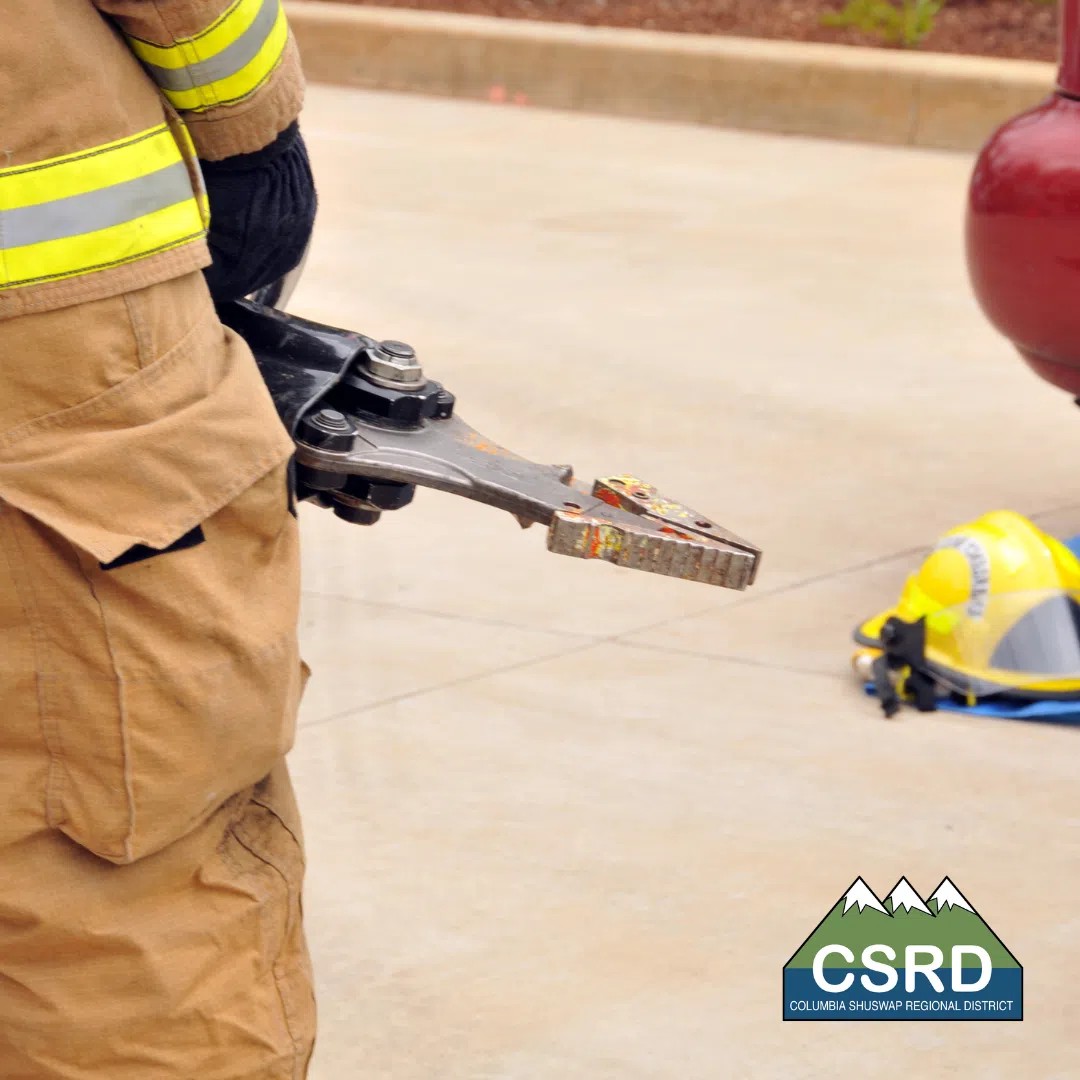
The AAP, conducted between May 22 and June 30, invited local taxpayers in three service areas—North Shuswap (Bylaw 5898), South Shuswap (Electoral Areas C and G, Bylaw 5899), and Falkland (Area D, Bylaw 5900)—to indicate opposition to funding enhanced road rescue capabilities. These services include specialized equipment like the “Jaws of Life” and firefighter training to improve emergency response times along highways east of Kamloops and around Shuswap Lake.
Under provincial rules, if 10% or more of electors oppose a proposal, it must either go to referendum or be abandoned. In both the North and South Shuswap areas, opposition was well below that threshold, with only 26 and 13 elector objections respectively. This showed strong community support for the initiative.
Conversely, Falkland saw significant opposition, with 216 forms submitted—more than double the 99 needed to trigger a referendum. Following this, the CSRD Board chose not to advance the proposal to a referendum, effectively ending the plan for the Falkland area.
Electoral Area D Director Dean Trumbley expressed concerns about the high cost for Falkland residents, who faced an estimated one-time tax increase of $200 to $235 per property, plus ongoing annual fees. “It was not that the community didn’t want this, it was that no one was expecting that big a financial hit… I quickly realized Falkland was not ready for this right now,” Trumbley told the Board.
The approved road rescue service will be delivered by local volunteer fire departments in the North and South Shuswap, with funding to begin in the 2026 property tax cycle. The CSRD plans to purchase equipment and train firefighters as soon as funding is secured.
Derek Sutherland, CSRD’s head of Community and Protective Services, welcomed the outcome, saying, “This shows a clear community endorsement of improved road rescue capabilities closer to home. For years, volunteer fire departments in these areas have lacked the specialized tools needed to quickly and safely extract crash victims, often relying on distant services to fill that gap.”
The new service aims to improve emergency response times along key routes such as the TransCanada Highway and Highway 97, enhancing public safety for residents and travelers alike.