




As climate change continues to reshape the natural environment, the City of Kamloops is taking proactive steps to protect its water infrastructure and secure long-term water resilience, thanks to more than $550,000 in newly awarded grant funding.
The City has received two major grants—$400,000 from the provincial Disaster Resilience and Innovation Fund and an additional $150,000 through the Community Emergency Preparedness Fund’s Disaster Risk Reduction – Climate Adaptation stream—to develop a comprehensive understanding of how climate-driven shifts in the Thompson River watershed are affecting critical community infrastructure.
“This is a very exciting grant to get—over half a million dollars for climate adaptation work is significant,” said Greg Wightman, the City’s Utility and Environmental Services Divisional Manager. “Protecting our watershed is a priority, not just for the City but also for our regional partners, including Tḱemlúps te Secwépemc.”
River Levels Are Changing—But Not the Way You Might Expect
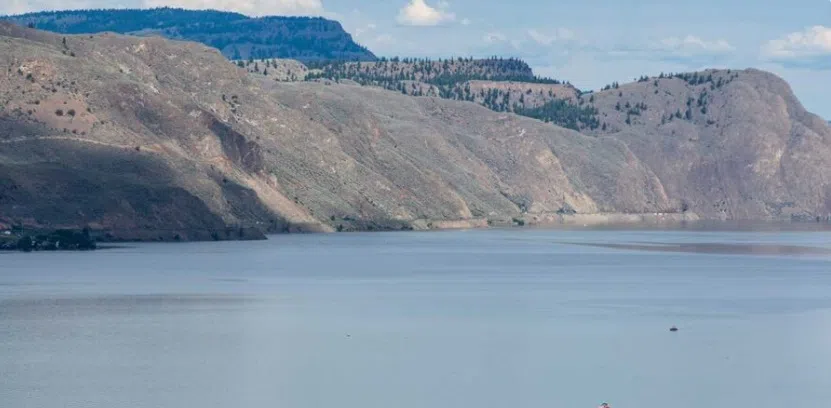
A key focus of the upcoming work is understanding an unusual and potentially concerning trend: declining water levels in the Thompson Rivers and Kamloops Lake, even during years with typical or above-average snowmelt.
“We’re not necessarily seeing less water in the rivers, but we are seeing lower water levels,” Wightman explained. “One of the theories is that erosion at the outlet of Kamloops Lake—near the bridge at Savona—might be lowering the riverbed, and by extension, the water surface elevation.”
This phenomenon is particularly notable in recent flood mapping data, where the City observed a drop in the 200-year flood elevation. “That’s kind of counterintuitive given that we’re also seeing more extreme weather and snowpack variability,” said Wightman.
If confirmed, the erosion theory could have widespread implications, affecting everything from the City’s water intakes to flood risk modeling, habitat protection, and emergency preparedness.
Two Projects, One Shared Goal: Resilience
The $400,000 grant will fund the Thompson River Watershed Climate Adaptation Plan, which will help the City assess risks from low summer flows and climate impacts on water crossings, intake structures, and other vulnerable infrastructure. The plan will also incorporate traditional hazard mapping and technical assessments already underway.
Meanwhile, the $150,000 grant will support the Watershed Climate Change Adaptation Study, which zooms in on how declining river levels could impact vital systems—including the City’s primary and emergency water intakes, wastewater mains, and effluent outfalls.
Both projects will involve third-party consultants and contractors, with close collaboration from the City’s utility and engineering teams. While timelines for completion are still to be determined, Wightman said the goal is to dig deep and “get ahead of challenges that may not present themselves for hopefully a long time.”
Seeking Alternative Water Access
As water levels drop, Kamloops is also exploring future options for accessing more drought-resilient water sources—not by tapping into new lakes or reservoirs, but by changing how existing sources are used.
“We’re looking at things like subsurface groundwater wells beneath the Thompson River,” said Wightman. “These could serve as a more reliable backup source, especially during dry spells when surface water intakes become more vulnerable.”
While there are few alternative surface water sources in the Kamloops area, innovations in how the existing watershed is accessed could offer greater protection against future scarcity.
Partnership with Tḱemlúps te Secwépemc
The work is being carried out in close partnership with Tḱemlúps te Secwépemc, who have long viewed the river system as central to their identity, health, and sustainability.
“As Secwépemc people, we have always understood that water is life,” said Kúkpi7 Rosanne Casimir. “This collaboration ensures that traditional knowledge and Western science work together to protect our water for future generations. Planning for the health of our watershed today is an act of stewardship.”
Climate Challenges: A Growing Concern
Communities across B.C. are facing growing climate pressures—Kamloops included. Summer streamflows from July to September are increasingly unreliable, threatening potable water supplies, irrigation systems, and even fire protection capacity.
“More than 100,000 people rely on this infrastructure,” said Deputy Mayor Bill Sarai. “This funding allows us to make sure we’re planning responsibly now, so we’re not scrambling when conditions worsen in the future.”
Minister of Emergency Management and Climate Readiness Kelly Greene also praised the initiative. “This funding supports Kamloops and Tḱemlúps te Secwépemc as they take proactive steps to protect critical infrastructure and make their community more resilient. By investing in forward-looking planning today, we’re helping ensure people and communities are safer and better prepared for tomorrow.”