





Photo via Tammy Hoy/The Canadian Press
The Kamloops-Thompson School District welcomed students back to classrooms Tuesday with a mix of optimism and realism, as leadership outlined both the opportunities ahead and the persistent pressures shaping the 2025–26 academic year.
Board Chair Heather Grieve, Superintendent Mike McKay, and Secretary-Treasurer Harold Cull spoke to media on the first day of school, covering everything from enrollment projections and staffing shortages to climate response, future learning models, and financial stewardship.
Back to School: Energy, Excitement — and Challenges
Superintendent McKay opened by acknowledging the enthusiasm around students’ return and the fresh start the school year brings — but emphasized that SD73 remains “clear-eyed” about the complex landscape it is navigating.
“Our mantra is still: every child, every chance, every day,” McKay said. “But it’s also about making wise choices, staying within our means, and creating a sustainable, positive learning environment.”
Chair Grieve added: “We’re coming off a year of difficult decisions, and we’ve tried to learn from those decisions. The focus now is stability — for students, for staff, and for families.”
No Cuts to EAs — But Recruitment and Retention Remain a Battle
Contrary to public speculation, officials say SD73 has not cut any certified education assistant positions. Instead, the district is still struggling to fill a significant number of vacancies.
“We weren’t able to recruit enough CEAs last year — we were short by 30–40% on some days,” said Grieve. “That’s a workforce issue, not a funding cut.”
McKay emphasized that the district continues to prioritize classrooms with the highest needs and is actively partnering with training providers to address the shortage.
“We support the work CEAs do, and we recognize how crucial they are to the learning team,” he said. “We’re doing all we can to recruit and retain them.”
Burnout, Absenteeism, and Rising Relief Costs
With rising relief costs — which have essentially doubled since 2020 — and increasing absenteeism among staff, there were questions about how SD73 plans to manage burnout and workplace stress.
“We don’t want people coming to work sick or overwhelmed,” McKay said. “We want to support a healthy, engaged, and valued workforce. That’s how we build resilience.”
Grieve added that the district is restarting its employee engagement strategy and looking at the bigger picture.
“There are wage issues beyond our control at the local level, especially for CEAs,” she said. “But we’re focused on what we can control — like support, inclusion, wellness, and making staff feel heard and valued.”
Strategic Position Management Amid Budget Pressures
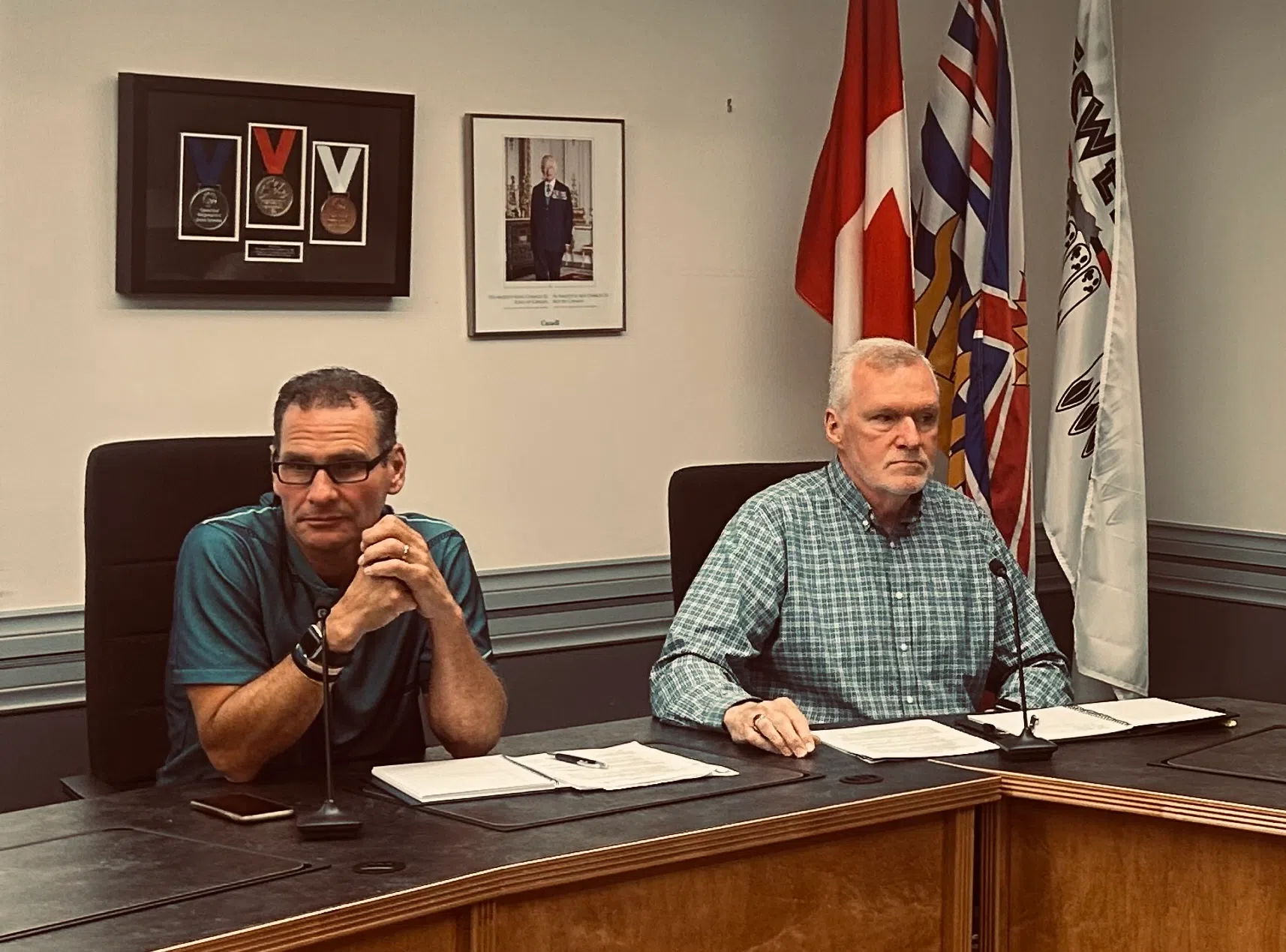
Secretary-Treasurer Harold Cull & Superintendent Mike McKay
Amid ongoing efforts to restore financial stability, SD73 has taken a careful approach to staffing — especially at the administrative level.
“When positions become vacant, we’re reviewing whether they’re essential before refilling them,” said Secretary-Treasurer Harold Cull. “It’s part of the financial stabilization plan we committed to with the board.”
That plan has yielded some early success: audited financial statements to be presented next week (at the Sept.8 board meeting) will confirm the district met its savings targets for the previous year.
“The goal is to shift our focus back to student success,” Cull said.
Enrollment Data Still Coming — Immigration Changes May Affect Numbers
Enrollment is a key driver of funding for BC school districts, and SD73 officials say they won’t know where they stand until the September 30 count.
“We have projections, but until students are in seats, that’s all they are — projections,” McKay said. “And funding doesn’t come from guesses.”
McKay noted that changes to federal immigration policy may reduce the number of new students entering the district, particularly in the south shore area where families of international students typically reside.
“There’s a direct link between post-secondary international student numbers and our K–12 enrollment,” he said. “We’ll see the effects more clearly over the next few weeks.”
Hybrid Learning Not Off the Table, But No Immediate Plans
Prompted by news that Surrey schools will adopt hybrid models due to overcrowding, SD73 leaders acknowledged the growing pressure on secondary school capacity, particularly in the southwest sector.
“We’re not dismissing any options,” said McKay. “Hybrid learning could become necessary, but right now we’re not at that point.”
Grieve added that the district has been in discussion with the province about modular expansions as a more flexible and faster alternative to full new school builds.
“We’ve been advocating for both long-term and short-term solutions,” she said. “We want to be ahead of the curve, not behind it.”
Transportation Ready to Go — Bus Driver Shortages Not an Issue
Unlike some private schools and other districts, SD73 says it is fully staffed with bus drivers for the start of the year.
“Our transportation department has done a fantastic job,” Cull said. “We’re ready to roll.”
McKay offered a heartfelt thank-you to the district’s bus drivers: “They’re the first faces students see each day, and they set the tone. We’re deeply grateful for them.”
Superintendent Search Underway
While McKay is currently serving as interim superintendent, the district confirmed it will soon begin the formal recruitment process for a permanent replacement.
“The expression of interest should go out later this month,” McKay said. “We hope to shortlist and interview in October, and ideally have someone ready to start in January — whether internal or external.”
A District Balancing Optimism with Caution
As the 2025–26 school year begins, SD73 is trying to do what many school districts across B.C. are doing: keep its balance.
Balance between enthusiasm and caution. Between budget realities and educational ambitions. Between rising expectations and limited resources.
“This is hard work, but it matters,” said Grieve. “And we’re doing our best to make every decision with students at the center.”