




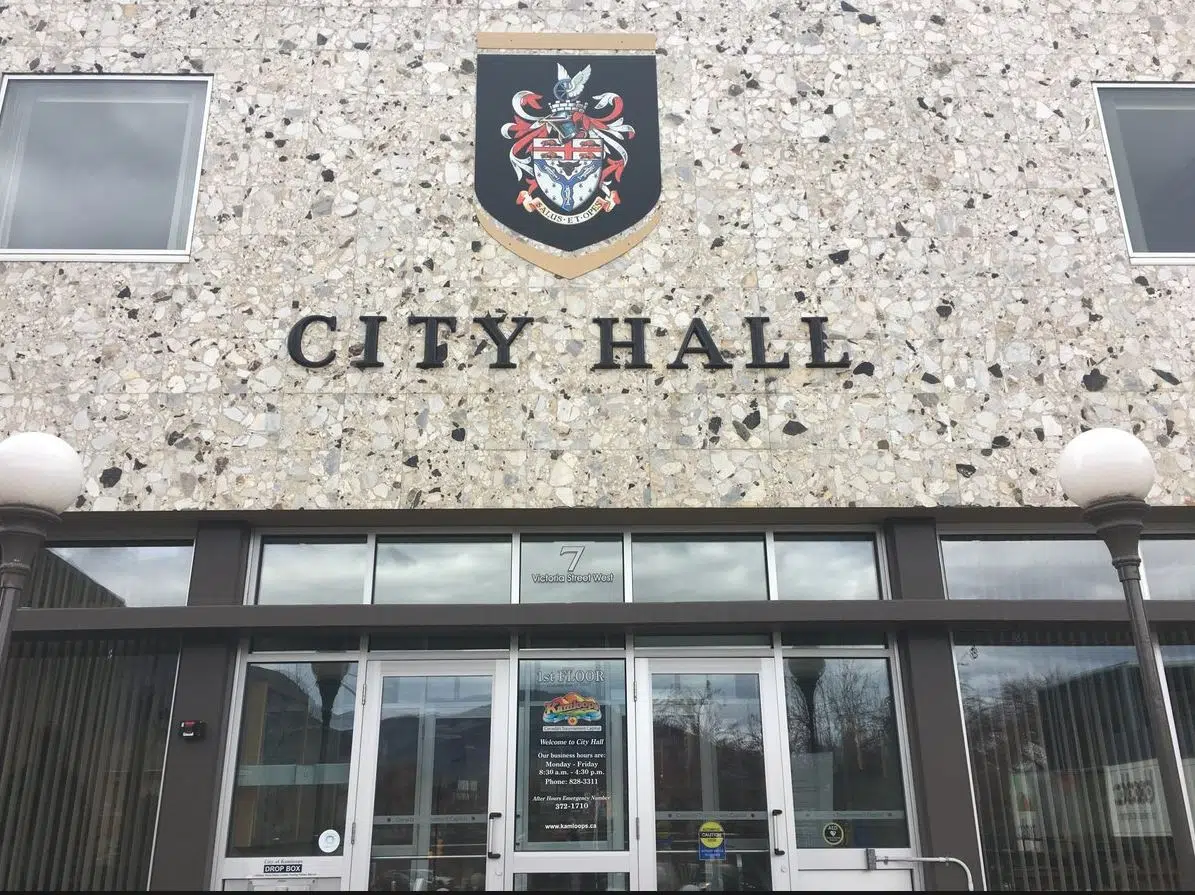
As Kamloops prepares for four Alternative Approval Processes (AAPs) this fall, City Council is weighing whether to send a public information mailer aimed at improving voter awareness, reducing legal risk, and aligning with its strategic priorities — though no final decision has yet been made.
At Tuesday’s Committee of the Whole meeting, Communications Manager Kristen Rodrigue presented Council with a detailed breakdown of delivery options, design formats, and costs for a potential citywide mailer that would go beyond the statutory notification requirements.
“The purpose of this memo today is to respond to your request for information on estimates to do a mailer in conjunction with the alternative approval processes coming up this fall,” said Rodrigue. “We’re looking at different ways to reach eligible voters and let them know more about the AAPs.”
Why It Matters
AAPs are a mechanism under the Community Charter that allows residents to oppose certain municipal decisions — like long-term borrowing or land dispositions — by submitting response forms during a defined window. If a set threshold of forms is reached, a referendum is triggered.
Although the City already fulfills provincial notification requirements through its website, newspaper ads, and notice boards, several councillors voiced support for more proactive outreach. “This is a bonus,” said Councillor Nancy Bepple. “This is making it better than required.”
Who Gets What? Addressed vs. Unaddressed Mail
A key challenge is that the City doesn’t maintain a comprehensive list of all eligible voters — estimated at 87,131. Instead, staff are considering two main Canada Post delivery options:
-
Addressed Mail would go to approximately 37,000 property owners, including many who live outside city limits.
-
Unaddressed Neighbourhood Mail would reach around 42,000 households, including renters — but it would not reach non-resident owners.
To bridge the gap, Rodrigue recommended a hybrid solution: citywide unaddressed flyers, plus a separate addressed letter to the approximately 4,600 non-resident property owners.
“Neighbourhood mail is like a flyer. It just goes out unaddressed to everybody within a certain area,” said Rodrigue. “But it does not reach our non-resident property owners.”
Options on the Table: From Postcards to Full Voter Packages
Staff presented four mailing formats, each with trade-offs between cost, clarity, and impact:
| Option | Description | Unaddressed Cost (42,000 homes) | Addressed Cost (37,000 homes) | Use Case |
|---|---|---|---|---|
| A | Postcard (6” x 9”): Basic info, minimal detail | $11,233 | Not recommended | Awareness-only |
| B | Small Pamphlet (folded 8.5” x 11”): Moderate detail | $11,678 | $25,351 | Project summaries |
| C | Large Pamphlet (folded 17” x 11”): More info, incl. voter eligibility | $14,599 | $28,538 | Deeper engagement |
| D | Voter Package: Includes forms & statutory info | Not recommended | $38,727 per AAP | Not feasible |
Option C, the large pamphlet paired with a supplemental addressed mailer, would cost roughly $33,000 per AAP, not including staffing costs or the additional addressed letters to non-resident owners.
Given four AAPs scheduled for this fall, duplicating the mailout for each could push the total mailing costs well past $120,000 — a figure separate from the typical $12,000 administrative cost to run each AAP.
Strategic Alignment: Council’s Broader Vision
The mail-out proposal directly supports several pillars of Council’s Strategic Plan, particularly under the theme of Governance and Service Excellence:
-
Community Engagement: “We promote purposeful, available, and innovative engagement opportunities.”
-
Fiscal Responsibility: “We are accountable… in providing effective management and best value.”
-
Governance: “We foster public confidence through healthy debate and sound decision-making.”
Councillor Bill Sarai reinforced the importance of ensuring residents are well-informed. “It’s not the only way they’re going to find out about it, but I think the best thing we can do is get it in every household,” he said, backing the unaddressed option.
Learning from the Past
Mayor Reid Hamer-Jackson highlighted the legal and political fallout from a previous AAP, which led to a lawsuit against the City — a cautionary tale for those hesitant about further outreach.
“What did the last AAP lawsuit cost us? Was it like $50,000 or something?” the mayor asked. “This to me sounds like a lot safer than before… The person that filed the lawsuit wouldn’t do it because it’s out there way too much.”
Other Outreach Tools: Utility Bills and Newsletters
Staff also floated the idea of bundling AAP information with utility bills or the City’s quarterly newsletter. This would reduce costs but has limited reach — primarily to property owners — and may not align with the tight AAP timeline.
The next utility bill is scheduled to be delivered in late November, which may be too late for the AAPs targeted for fall 2025. “We can still get it out within the window,” Rodrigue noted, “it just happens later in the window.”
Next Steps
Council will revisit the mail-out decision in October, with final considerations including:
-
Whether to proceed with a mailer at all
-
Which design format to use (postcard, pamphlet, etc.)
-
Whether to include all four AAPs in one flyer or send separate ones
-
Whether to bundle the campaign with utility bills or newsletters
Whatever the choice, Council appears united in aiming for a more transparent and inclusive process — even if it comes at an additional cost.