



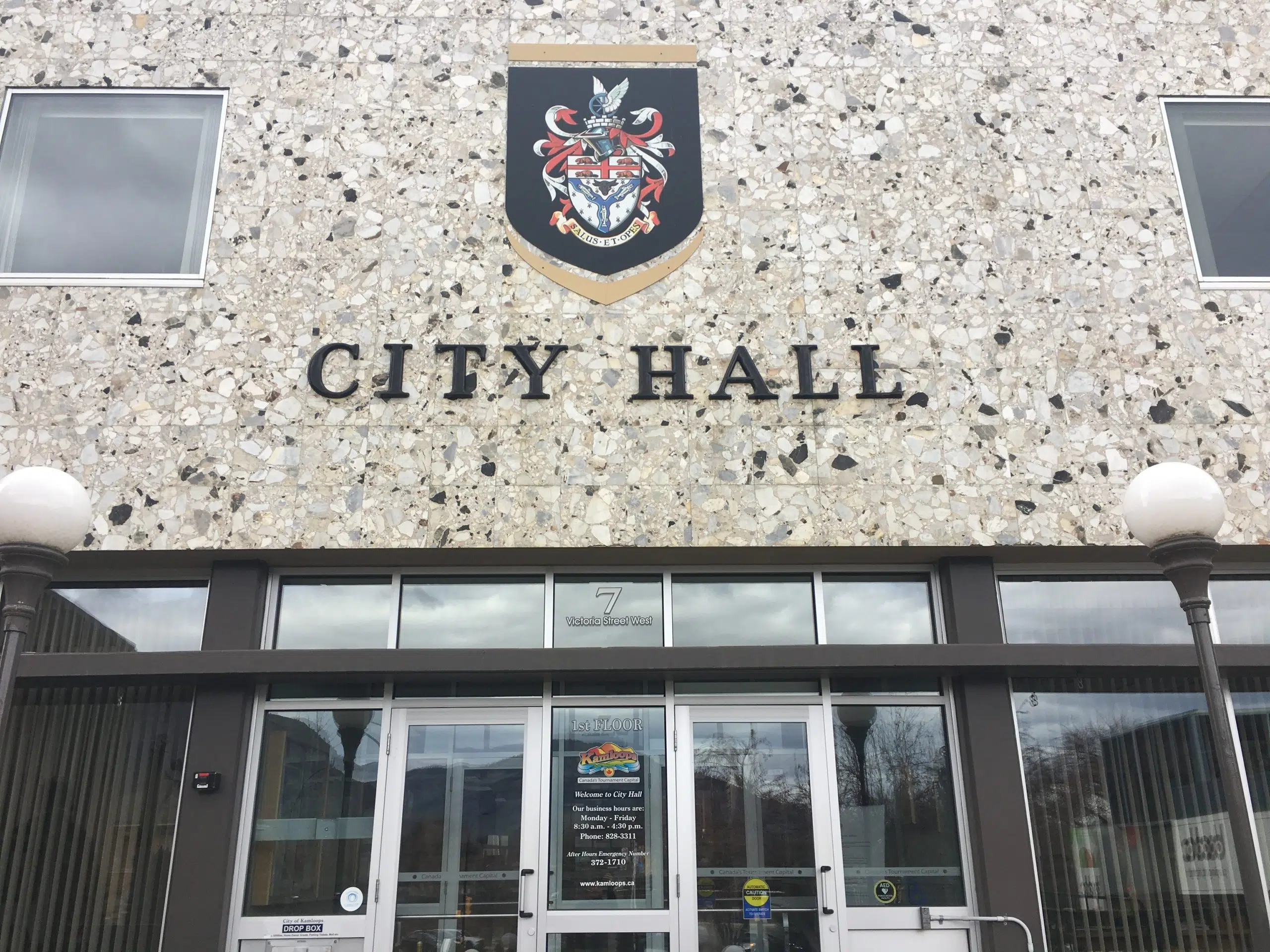
Kamloops City Council got its first official look Tuesday at proposed utility rate increases for 2026, with City staff recommending moderated adjustments to water, sewer, and solid waste fees as part of the city’s five-year budget planning cycle.
The presentation, part of the 2026 Utility Rate Review and Bylaw Updates, offered a detailed snapshot of how municipal utilities are being managed, how costs are rising, and what steps are being taken to keep services sustainable without hitting residents too hard in the pocketbook.
City administration is recommending the following increases:
-
Water utility: 10% revenue increase (15% increase on variable rates, 5% on fixed charges)
-
Sewer utility: 3% revenue increase
-
Solid waste utility (garbage, recycling, organics): 10% revenue increase
For the average single-family home, these changes would raise the total annual utility bill from $1,249 in 2025 to $1,370 in 2026 — an increase of $121, or about $10 per month.
“No Bad Surprises” Approach
Planning and Procurement Manager Dustin Rutsatz told Council the presentation kicks off this year’s budget cycle with a goal to wrap up utility-related planning earlier than in previous years.
“Although we’re starting around the same point in the calendar, the goal this time is to have everything tidied up by February,” they said. “It just gives us a bit more runway to get projects moving sooner.”
They emphasized that the utility rate changes have been carefully reviewed and reduced from earlier projections made in 2024. For example, the water utility was originally forecasted to require a 15% revenue increase in 2026. However, better-than-expected asset management outcomes allowed staff to reduce that to 10%.
“This is about making responsible, forward-looking decisions that reduce the risk of big surprises,” the manager said. “We’re still on track to stabilize water and sewer increases at 3% by 2029, which is the target we shared last year.”
What the Numbers Mean for Residents
The new water rate structure blends a 15% increase to variable charges and a 5% increase to fixed charges, giving residents more control based on how much water they use. The average household water bill would increase by $52 annually, or about $4 per month, bringing the monthly total to $47.
Sewer rates are also being reduced from previously expected increases. “We had projected 5%, but are now comfortable recommending 3%,” the manager said, resulting in a modest $15 annual increase, or just over $1 per month.
Solid waste services, which include garbage, recycling, and organics collection, will see more noticeable changes. Rate adjustments vary depending on cart size, with the standard 245-litre garbage bin rising from $174 to $212 annually, and organics collection doubling from $12 to $24.
Councillor Stephen Karpuk praised the presentation’s clarity and breakdown of costs in daily dollar terms. “We’re talking about $1.43 a day to have water hooked up to your house. Sewer? About four cents a day. Garbage? Eleven cents. All in all, manageable increases that reflect good fiscal prudence,” she said.
Questions Around Fairness and Future Utilities
During the discussion, Councillor Bill Sarai raised concerns about the application of base rates for water, particularly for new homes that haven’t started using water yet.
“If a new build hasn’t even initiated water service, are they still being charged the base rate?” she asked.
Rutsatz responded by clarifying that base charges currently apply once the service is connected — not when water usage begins. However, she noted that revisions to the bylaw are expected in November based on feedback from home builders and Council.
Another discussion point came from Councillor Nancy Bepple, who reflected on how solid waste was converted from a tax-based service to a standalone utility over a decade ago. She asked whether the City might consider applying a similar model to other services like stormwater management, recreation, or even protective services.
City of Kamloops CAO Byron McCorkle and Director of Finance Dave Hallinan responded by cautioning that while expanding utility models can sometimes improve accountability, they can also complicate billing and transparency for ratepayers.
“At the end of the day, whether it’s a utility or property tax, we’re still going to the same resident to fund that service,” said Hallinan. “We need to be careful about over-fragmenting costs, and we have to stay within what’s allowed under the Community Charter.”
What’s Next?
Council will vote on the proposed utility rate changes at its October 21, 2025 regular meeting. If approved, staff will prepare amendments to the Fees and Charges Bylaw No. 44-14, with new rates taking effect January 1, 2026.
Councillor Kerr-Packert moved the recommendation, seconded by Councillor Hall, after thanking staff for the clarity of the report and their “no bad surprises” approach.
As Kamloops continues to grow and costs increase, Tuesday’s meeting reflected a shared focus on balancing financial responsibility with service stability.
Proposed 2026 Utility Fees – Average Household
| Service | 2025 | 2026 | Change |
|---|---|---|---|
| Water | $519 | $564 | +$45 |
| Sewer | $518 | $534 | +$16 |
| Garbage (245L) | $184 | $224 | +$40 |
| Organics | $12 | $24 | +$12 |
| Recycling (245L) | $16 | $24 | +$8 |
| Total | $1,249 | $1,370 | +$121 |