




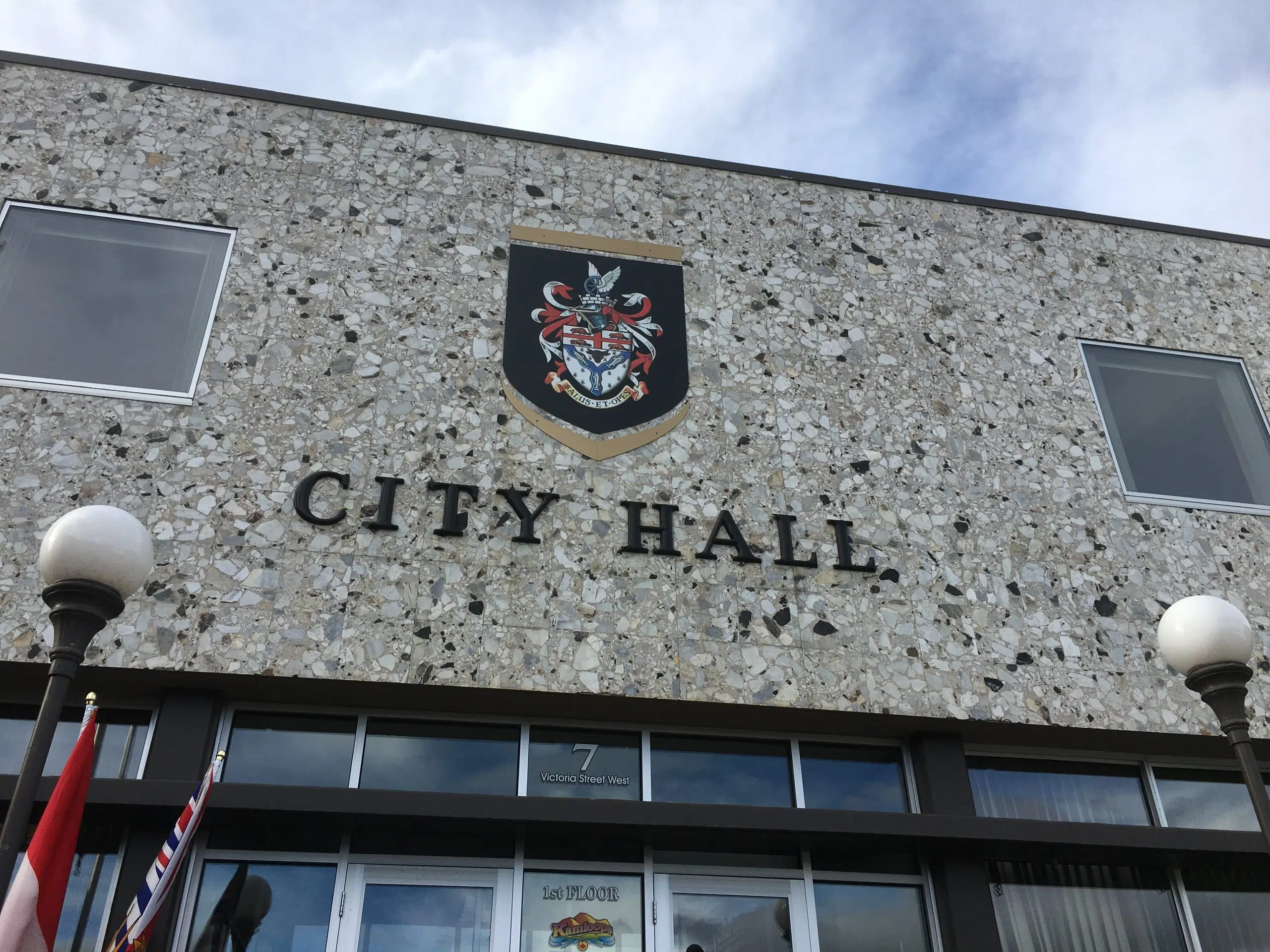
Kamloops City Council has voted against expanding the Development Cost Charges (DCC) Bylaw to include three new categories—protective services, solid waste, and transportation projects on provincial land—after a lengthy and often tense debate over housing affordability, industry engagement, and long-term infrastructure funding.
The motion would have included the new categories in the DCC amendment process, giving staff the go-ahead to continue working with the development industry to flesh out cost-sharing options. Ultimately, the proposal was defeated, with councillors citing affordability concerns, lack of urgency, and uncertainty about how the changes would affect housing costs. “This is too big a hit on a specific group in our community,” said Councillor Magot Middleton, one of several who voted against the motion. “A lot of this would be better borne by general taxation, not just by developers or homebuyers.”
Why It Matters
Development Cost Charges are fees levied on new development to pay for infrastructure needed due to growth—such as roads, water, sewer, and parks. Recent changes to provincial legislation have expanded what can be funded through DCCs, now including protective services (e.g., fire halls), solid waste infrastructure, and certain provincial highway projects.
City staff brought the proposed categories forward as part of a routine update to the DCC Bylaw, arguing that including them now would not force Council to approve the projects—but would keep options open and shift some financial burden away from property taxpayers. “If we don’t collect DCCs, these costs will end up on the tax bill,” warned a city staff member. “For example, the Copperhead Drive interchange alone could result in a 7% tax increase if not funded through DCCs.”
But several councillors pushed back, saying that adding new costs to development now could worsen an already fragile housing market. “We’re trying to make homes affordable,” said Councillor Kelly Hall. “Single-family homes are nearly non-existent in Kamloops, and housing starts are already low. Adding to developers’ costs right now is premature.”
Industry Pushback a Key Factor
City staff explained that the Development Cost Charge Engagement Group—made up of developers, builders, and other stakeholders—refused to proceed with talks until Council gave a clear direction on whether the new categories would remain in scope. “They want them off the list,” said staff. “They’re already struggling to wrap their heads around the core categories. Adding more has created too much uncertainty.”
The impasse forced Council to either greenlight continued work on the categories or abandon them—for now.
Ultimately, a slim majority rejected inclusion, arguing the city could revisit the option in the future once more information and industry consensus is available. “This is a brand new tool,” said Councillor Katie Neustaeter, speaking remotely. “We haven’t seen any time sensitivity or urgency. Let’s see how other municipalities handle it before moving forward.”
Protective Services: A Lightning Rod
One of the most debated items was the inclusion of protective services, which could make projects like new fire halls and the long-discussed Protective Services Training Centre eligible for DCC funding.
Some councillors worried this would bypass Council’s past decision to not fund the training centre through general taxation.
Others argued that no project is being approved by this motion—only the ability to potentially fund it through DCCs in the future. Staff clarified that each category would receive a single “assist factor”, which determines how much of the cost is charged to developers. “We could apply a 95% assist factor,” said staff. “Meaning developers would only pay 5%. Council has full control when the bylaw comes back.”
But that wasn’t enough to sway critics. “We’d be asking the development community to prepay for projects that might not be built for 5 to 10 years,” said Middleton. “That just doesn’t sit well with me.”
Infrastructure Funding Remains a Challenge
Several councillors expressed concern about how the city will fund major infrastructure—some already approved—if it walks away from using the DCC tool.
Staff noted that grant opportunities from senior levels of government have been increasingly competitive, with BC facing a projected $11.6 billion deficit and federal grants significantly oversubscribed. “We didn’t stop applying when our grant coordinator retired,” said staff. “But it’s been harder and harder to land those funds.”
Mayor Reid Hamer-Jackson and Councillor Hall both suggested the city consider hiring external grant search firms, given the high stakes involved with future projects that could exceed $500 million. “We’ve got people being taxed out of their homes already,” said Hamer-Jackson. “We’re going to need every dollar we can find.”
10-Year Planning Horizon, but No Immediate Need
The bylaw update is based on a 10-year growth horizon, with projects added now to ensure DCCs can be collected over time. But several councillors noted that many of the projects in question—particularly in protective services—are not yet approved, and won’t be built for years. “There’s no desperate need to do this today,” said Councillor Neustaeter. “There’s wisdom in watching how this plays out in other municipalities first.”
Key Takeaways:
- New DCC categories rejected — Kamloops Council voted not to include protective services, solid waste, or MoTI roads in the DCC update—for now.
- Affordability concerns dominated — Councillors feared higher developer costs would worsen housing supply and affordability.
- No projects were approved or funded — The debate was about whether to keep options open, not commit funding.
- Grant funding remains uncertain — Staff confirmed that success with infrastructure grants has been limited.
- Council retains control — Even if categories had been included, assist factors could have reduced developer contributions to near zero.