



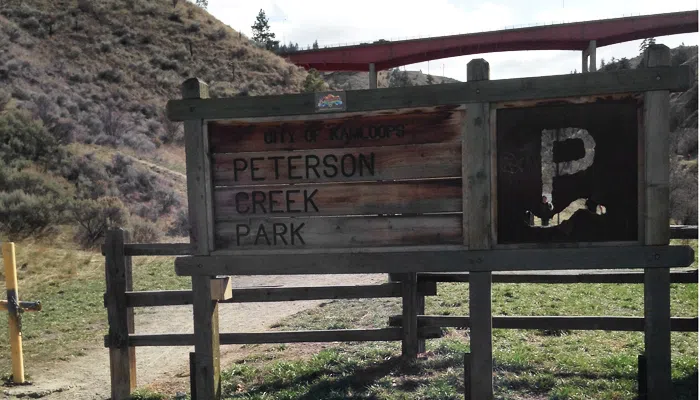
A prescribed burn is being planned for Peterson Creek Nature Park within city limits, as the City of Kamloops partners with the BC Wildfire Service and Tk̓emlúps te Secwépemc to reduce wildfire risk and improve ecosystem health.
The overall project area spans about 17 hectares, though only six hectares are expected to be treated during the burn scheduled for this spring.
Smoke may be visible from Kamloops and surrounding neighbourhoods, as well as to motorists travelling along Highways 1, 5 and 5A. The burn could begin as early as March 2, depending on weather and site conditions. Ignition will only proceed if conditions allow for safe operations and proper smoke dispersal, although some smoke may linger in the days following.
“A Powerful Tool” for Forest Health
The BC Wildfire Service emphasizes that while fire is often feared, it plays a critical ecological role when carefully managed.
“When you think of fire, a few things come to mind. Some of them are good, but in recent years, fire has become something we fear more and more,” the agency says. “But the truth is, when managed properly, fire is a powerful tool for maintaining the health and safety of our forests, communities, and wildlife.”
Known as prescribed fire — or cultural burning in many Indigenous communities — the process is “carefully planned, managed, and controlled” and carried out by trained professionals alongside traditional ecological knowledge keepers.
Fire suppression over the last century has led to a significant buildup of forest fuels, tree encroachment and dense growth in areas that were once open and dry. According to the BC Wildfire Service, using prescribed fire in high-risk areas helps remove hazardous fuels and reduce the potential severity of future wildfires.
“When implemented on a specific high-risk area, prescribed fire removes these hazardous fuels from our landscapes and mitigates the impacts of wildfires on habitats and communities,” the agency states.
Cultural Stewardship and Ecological Benefits
The partnership with Tk̓emlúps te Secwépemc reflects the cultural importance of fire stewardship. Indigenous Peoples have used fire for generations to manage and protect the land.
“The preservation of this practice is not only beneficial, but also sacred,” the BC Wildfire Service notes.
Beyond wildfire risk reduction, prescribed burns can improve wildlife habitat and biodiversity. Strict fire suppression has contributed to overgrown landscapes and invasive species spread. Controlled burns help restore balance to ecosystems and revitalize vegetation.
“By burning dead plants and overgrowth that are potential fuels, nutrients are released into the soil and more open space is created for sunlight to break through,” the agency explains. “The result is healthier, more resilient forests.”
Locally, the Peterson Creek project aims to:
- Restore forest and grassland ecosystem health
- Reduce overgrown sagebrush
- Remove invasive species
- Lower long-term wildfire risk by reducing grassland fuels
- Provide cross-training opportunities and strengthen interagency cooperation
Smoke and Health Precautions
Officials remind residents that smoke exposure can irritate eyes and respiratory tracts and may worsen pre-existing lung or heart conditions.
If smoke is present:
- Keep windows and doors closed and use portable air cleaners if available.
- Reduce the length and intensity of outdoor activities.
- Manage existing medical conditions carefully and seek medical care if severe symptoms develop.
To report a wildfire, unattended campfire or open burning violation, call 1-800-663-5555 toll-free, dial *5555 on a cell phone, or use the BC Wildfire Service mobile app.
More information about cultural burning and prescribed fire is available at firesmartbc.ca/prescribedfire.