



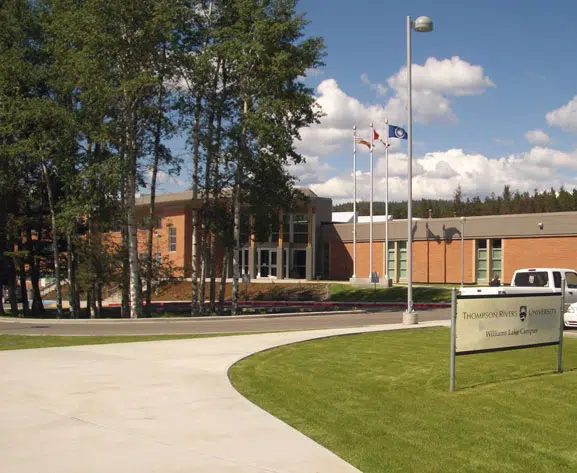
Thompson Rivers University has announced the start of a multi-year initiative to reimagine post-secondary education in the Williams Lake region, which could include the eventual closure of its Williams Lake campus by Spring 2028. The announcement follows discussions at the TRU Board of Governors meeting on Friday, March 27, where the university outlined its plans for consultation and future regional programming.
Consultation and Collaboration
Officials have emphasized that the process will be collaborative, with multiple years of consultation before any final decisions are made.
The university is considering new models of post-secondary delivery in the region, including cooperative arrangements with other institutions, community-driven program offerings, and regional study hubs.
Financial and Enrollment Pressures
The Williams Lake campus has seen declining enrolment over several years, with only about 34% of applicants coming from the local Cariboo region. While domestic enrolment has grown slightly, changes to federal policies limiting international student numbers have created significant budgetary challenges for TRU.
VP of Finance and Administration Matt Milovick noted that the campus, which spans roughly 80,000 square feet, is larger than current needs require. He did re-emphasize that the university is committed to exploring creative solutions.
What’s Next
The first phase of planning, running from 2026–2027, will focus on project scoping, governance, and scenario development. TRU plans to present initial findings to the Board of Governors in June 2026.
Potential future scenarios under consideration include:
- Regional post-secondary cooperatives operating out of Williams Lake facilities.
- Specialized training centres, such as for defence trades or wildfire management.
- Northern Nations-led education networks.
- Government-funded University Study Hubs to support regional learners.
TRU says that no academic programs will be eliminated, and students currently enrolled will be supported through program completion or alternative pathways.
The Williams Lake campus has been part of the community for over 50 years.