




Via TNRD
The City of Kamloops is ramping up its FireSmart initiatives as demand from residents surges and officials continue to prepare for another challenging wildfire season.
In a presentation and memo to the city’s Safety and Security Select Committee, Fire Chief Ken Uzeloc and FireSmart Liaison Kathleen Cahoon outlined progress in wildfire mitigation efforts, while also highlighting delays, ecological considerations, and overwhelming public uptake of rebate programs.
Prescribed burns delayed but remain key strategy
Vegetation management remains central to the city’s wildfire preparedness plan, though several prescribed burns have faced setbacks.
A planned burn in Peterson Creek, developed in partnership with the BC Wildfire Service and Tḱemlúps te Secwépemc, was reduced from 17 hectares to six due to limited resources. Cahoon told the committee the smaller area was prioritized because of its elevated wildfire risk, citing heavy recreational use, overgrown sagebrush, and proximity to Highway 5.
Despite identifying a burn window in March, crews were forced to postpone due to poor weather conditions. The project is now expected to proceed in fall 2026.
Other projects are also progressing slowly. A 10-hectare prescribed burn in Batchelor Heights, initially planned for 2025, is now targeted for spring 2027, with only a “small chance” it could happen in fall 2026. A larger 43.6-hectare burn in the Lac du Bois Grasslands is still in early planning stages.
Cahoon added the city is exploring expanded collaboration with the BC Wildfire Service to manage unmaintained lands while also providing training opportunities.
Balancing wildfire risk with ecological impacts
During the meeting, councillors raised questions about the timing of prescribed burns and their environmental effects.
Cahoon confirmed ecological factors — including plant species, wildlife, and sensitive habitats — are considered when planning burns. She noted that projects like Lac du Bois have been delayed in part due to concerns about local ecosystems, including wildlife such as rattlesnakes.
Burn timing is also constrained by strict technical requirements. The BC Wildfire Service, which oversees burn operations, must ensure specific weather and fuel conditions are met before proceeding.
“There’s a lot of calculations that go into it,” Cahoon said, explaining that improper conditions could either increase risk to the community or prevent achieving the intended fuel reduction outcomes.
Councillors also discussed whether more flexible timing — including winter burns — could be considered in the future, particularly during milder seasons with favourable conditions. Cahoon said the suggestion could be explored further with provincial partners.
Rebate programs overwhelmed by demand
Interest in FireSmart rebate programs continues to exceed expectations, reflecting strong community engagement in wildfire preparedness.
The Community Fuel Reduction Incentive Program, which offers $150 to $800 for removing hazardous vegetation within five metres of homes, saw more than 264 participating households in 2025. About two-thirds of those residents completed the work themselves, with more than $143,000 distributed in rebates.
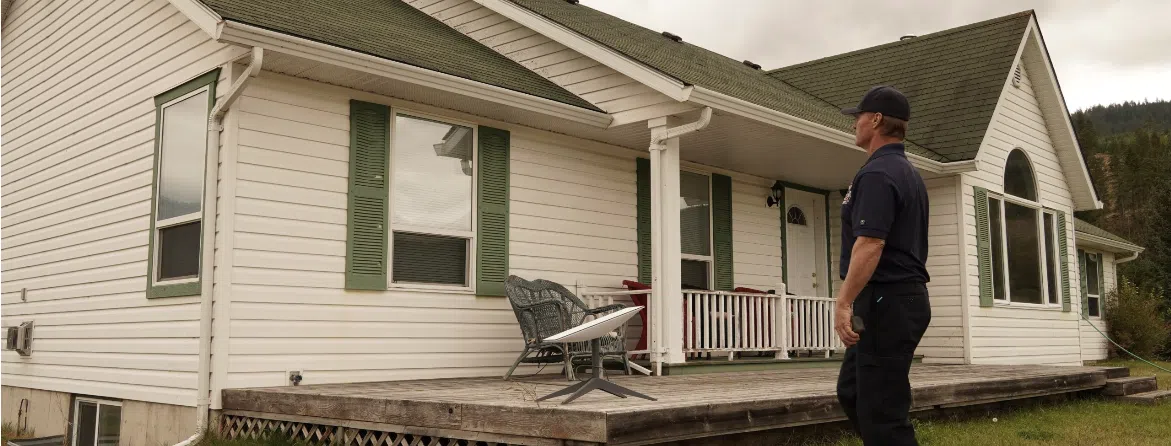
The program relaunched on March 21, 2026, alongside the new FireSmart Home Improvement Rebate Program. That initiative covers up to 50 per cent of eligible home upgrades — including roofing, siding, vents, and decks — to a maximum of $1,000 per household.
Funded in part through a national resiliency grant, the city was one of 19 communities across Canada selected to receive support.
Demand has again outpaced supply. As of early April, assessments were fully booked into mid-July, and applications for both programs have been closed.
Cahoon told the committee that 37 home assessments had already been completed this year, with approximately $36,500 committed to residents — some qualifying for both rebate programs.
Expanding partnerships and future planning
City staff are pursuing additional funding through the Community Resiliency Investment Program to expand FireSmart education, vegetation management, and outreach.
Officials are also exploring partnerships with BCAA and FireSmart BC to fund a summer student position, building on a similar initiative in 2025. There are also plans to collaborate with youth-focused programs to support education and on-the-ground mitigation work, particularly for vulnerable residents who may need assistance.
Building a more resilient community
City officials say the FireSmart program is evolving into a comprehensive, community-driven approach to wildfire risk reduction.
Future work will include reviewing bylaws and development policies to better align with FireSmart principles, as well as creating performance measures to track long-term outcomes.
Through a combination of public engagement, targeted incentives, and fuel reduction projects, the program aims to reduce wildfire risk at both the neighbourhood and individual property level.
As one councillor noted during the meeting, wildfire preparedness is a shared responsibility — and in Kamloops, residents appear increasingly ready to do their part.