



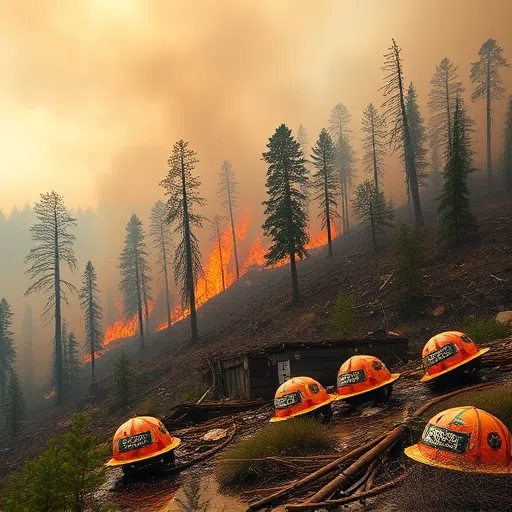
AI generated image
Editor’s Note: The image used in this story was generated using artificial intelligence and is for illustrative purposes only. It does not depict a real event or location. Readers are advised to rely on official sources for verified visuals and updates during emergency situations.
As wildfires continue to rage across British Columbia, a new threat is emerging in the form of financial fraud. The Better Business Bureau issued a public warning today urging residents to remain vigilant — not just against flames, but against scams.
The BBB says that when communities face evacuation alerts and people are forced to deal with widespread damage, scammers often try to seize the opportunity. From phony charities to fake crowdfunding pages, the BBB says fraudsters are getting more creative — and dangerous.
“Disasters bring out the best in people — and unfortunately, sometimes the worst,” said Karla Davis, spokesperson for the BBB serving Mainland BC. “We’re seeing a rise in deceptive practices designed to take advantage of people who want to help or who need help.”
The Most Common Wildfire Scams
The BBB has highlighted several types of scams currently circulating in BC:
1. Fake Charities
Scammers set up imitation donation pages or use emotional social media campaigns to pocket funds meant for wildfire relief.
Red flags include:
-
High-pressure donation requests
-
Missing charity registration numbers
-
Untraceable payment platforms (like cryptocurrency)
-
No legitimate contact information
2. Fraudulent Contractors
After disasters, unlicensed individuals often pose as contractors offering to repair damaged homes — only to vanish after collecting upfront payments.
Watch for:
-
Cash-only deals
-
No written contracts
-
Lack of references or licensing
-
No online presence
3. Evacuation and Relief Scams
Fraudsters impersonate government or aid workers, offering paid help for evacuations or supplies.
Red flags:
-
Requests for wire transfers or gift cards
-
Services not listed on official government sites
-
Fake or missing nonprofit registration
4. Fake Crowdfunding Campaigns
Pages that use heart-wrenching but unverifiable stories to solicit donations are becoming harder to detect.
Things to watch:
-
No specific personal details or backstory
-
Unverified organizers
-
Irregular updates or no updates at all
-
Suspicious payment links
5. AI-Generated Crisis Misinformation
A growing trend involves the use of artificial intelligence to create fake images (like the one pictured) or videos of wildfire devastation, fooling the public into donating to fabricated causes or believing in false evacuation orders.
The BBB warns that scammers are increasingly using these manipulated visuals to evoke panic or sympathy.
The BBB’s message follows one recently put out from the B.C. Wildfire Service itself which earlier this week was sounding the alarm on the rise of AI-generated wildfire content. The agency shared two such examples that were widely circulated but falsely represented real fire situations (below this story).
“There can be a lot of different pieces of information flying around, and people are making decisions about their families and their lives and their properties based on some of this information,” said fire information officer Jean Strong. “It’s important that when we’re consuming this information about an emergency that it’s as accurate as possible for all of our safety.”
Strong said firefighters are seeing an influx of AI-generated images that either exaggerate the intensity of a blaze — stoking unnecessary fear — or downplay a fire’s behavior, which could result in people underestimating the danger.
The wildfire service is urging the public to rely on verified sources only, such as its official mobile app, local alert systems, and trusted news outlets, to avoid falling victim to misinformation.
Red flags for AI-generated wildfire misinformation include:
-
Claims not confirmed by official agencies
-
Only one source sharing the information
-
Overly dramatic or inconsistent visuals
-
Unrealistic fire behavior or scenery
How to Stay Safe
The BBB recommends the following steps to protect yourself and your wallet:
-
Research before donating: Use verified platforms and check registration numbers through Canada Revenue Agency’s charity database.
-
Be cautious with payments: Avoid cash, wire transfers, or gift cards. Use traceable and secure payment methods.
-
Verify relief services: Always cross-reference aid offers with official government or emergency services websites.
-
Report suspicious activity: If you suspect a scam, contact the BBB or report to the Canadian Anti-Fraud Centre.
“In Times of Crisis, Trust — But Verify”
The BBB’s message is clear: in times of disaster, it’s essential to act with both heart and caution.
“It’s natural to want to help those affected by wildfires,” said Davis. “But by being alert and informed, we can ensure support reaches the people who truly need it — not scammers looking to profit from tragedy.”