




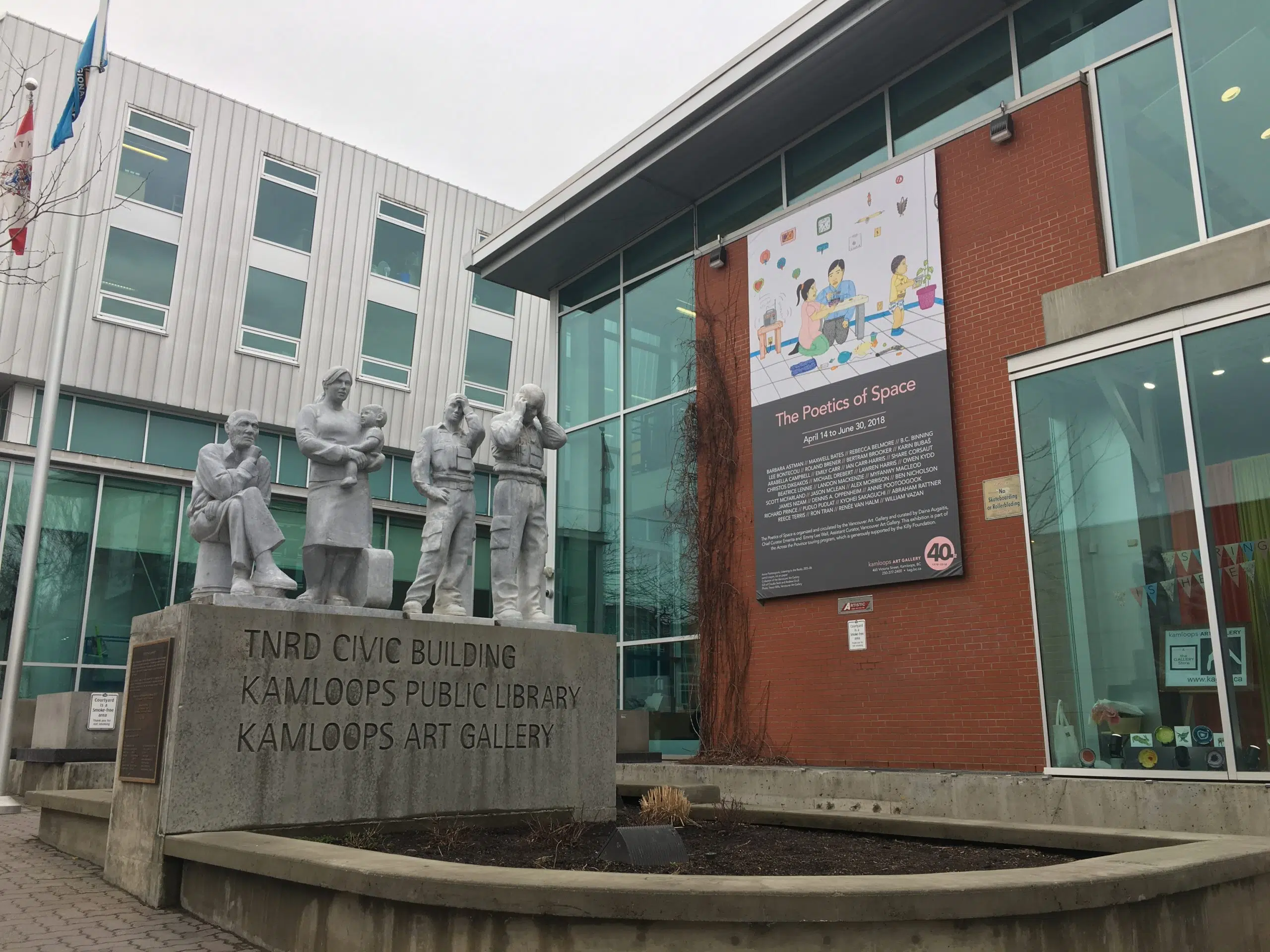
The City of Kamloops will continue participating in the Thompson-Nicola Regional District’s Regional Planning service, following the approval of a new five-year agreement that increases the city’s annual contribution cap to $350,000, up from $250,000.
The renewed agreement, set to begin on January 1, 2026, ensures that Kamloops retains its voting rights on regional land use planning matters, a critical component for influencing decisions on issues in areas adjacent to the city’s boundaries.
“This agreement continues a long-standing partnership dating back to 1989 and ensures the City remains an active voice in regional land use planning decisions,” said Alex Krause, the TNRD’s General Manager of Development Services, in a report to the board.
Why Now?
The update comes as the current agreement nears expiration at the end of 2025. According to TNRD CAO Scott Hildebrand, it was simply time to revisit the contract. “The simple answer is that the contract was due,” Hildebrand said in an interview. “It was a five-year contract that was ending at the beginning of January 2026, and it needed to be addressed.”
Earlier speculation suggested that the agreement might be shortened to a two-year term, especially with local government elections looming in 2026. However, that proposal was not adopted. “The request was to go to a two-year [term],” Hildebrand clarified. “That was not accepted. So it did stay at a five-year agreement, and that’s what the directors supported at the board meeting.”
The Cost of Having a Say
Under the agreement, Kamloops will contribute 25% of the Regional Planning service’s annual tax requisition, up to a maximum of $350,000 per year. This increase was driven by inflation and an effort to update a cap that had remained unchanged since 2004. “They felt like it should just be bumped up slightly to kind of reflect cost of living and things that have changed over the years,” Hildebrand said.
Importantly, Kamloops does not receive direct planning services—such as staff support or project processing—from the TNRD’s planning department. Its contribution covers only the right to vote and discuss land use matters across the region. “They are part of the regional district, an important part,” Hildebrand explained. “And for them to have a say in what happens in the areas adjacent and around the city, I think [that] is important.”
Complex Governance and Delicate Negotiations
The renewal process was described as challenging by officials, given the complex and technical nature of regional planning legislation, along with varying views around financial fairness.
Only Electoral Area Directors—not municipal representatives—were eligible to vote on the agreement. This quirk of B.C.’s regional district governance often leads to confusion. “The legislation makes it really hard and complicated,” Hildebrand said. “Our planning department only does zoning and land use planning for electoral area directors. That’s why they had to vote to accept that from the city.”
The negotiations weren’t without friction. Some city officials had expressed discomfort during earlier discussions, with concerns that Kamloops was being pressured into renewing under terms they didn’t fully control. “It’s hard to walk that fine line,” Hildebrand acknowledged. “We just do our best to put our best foot forward and let the elected officials make the decisions.”
What If Kamloops Opted Out?
Had Kamloops decided not to renew, the cost of the planning service would have been redistributed across the rest of the region. That would have resulted in a 19% cost increase for Electoral Areas in 2026, and significantly more for smaller municipalities like Barriere and Cache Creek.
“It would result in a larger cost increase to the smaller municipalities,” the TNRD report warned, noting that the global tax requisition wouldn’t change, but its distribution would.
A Fragile But Functional Framework
Despite the complications, both City and TNRD staff consider the new agreement fair and beneficial. It maintains a model of regional cooperation that has existed for decades—one where the region’s largest urban centre contributes financially in exchange for influence on rural and cross-boundary planning issues.
“We ended up getting to a place that I think is successful,” Hildebrand said. “Staff were well prepared and provided all the facts we needed in order for the board to make a decision.”
The renewed planning agreement will remain in effect until December 31, 2030. Both the City and TNRD have the option to revisit or revise terms prior to its expiration.