




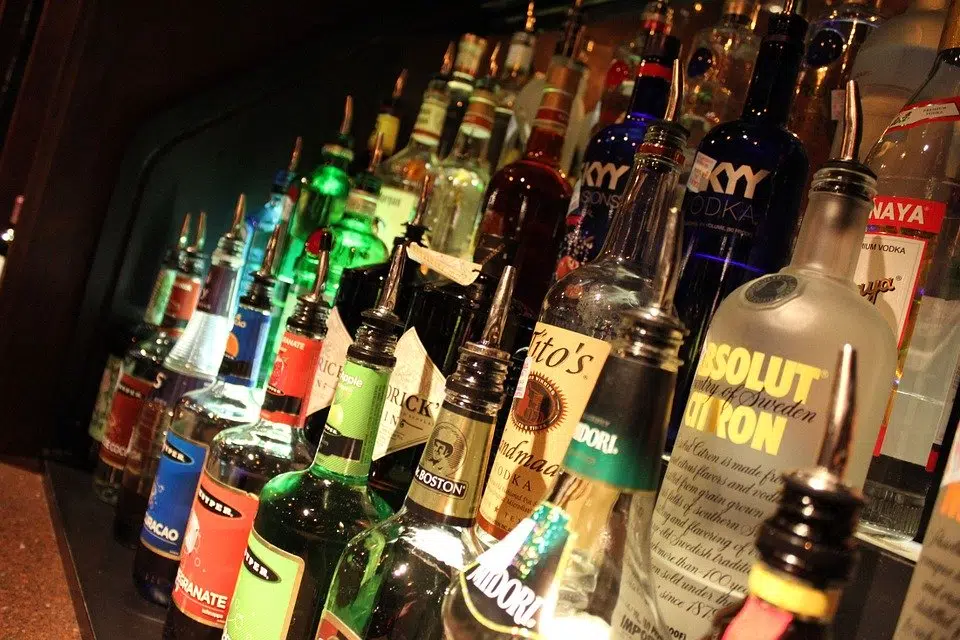
BC Conservative MLAs are accusing the NDP government of dragging its feet on a common-sense opportunity to support the province’s growing craft distillery sector, months after Premier David Eby pulled American-made liquor from BC Liquor Store shelves in protest of U.S. trade tariffs.
Gavin Dew, MLA for Kelowna-Mission and the Official Opposition Critic for Jobs and Growth, joined Delta South MLA Ian Paton, Critic for Agriculture, in calling out the government’s inaction—arguing that BC distillers are ready to step in but continue to face outdated, unfair regulations that prevent them from accessing provincial liquor store shelves.
“The NDP government performed a hollow political stunt months ago by pulling red-state liquor off BC shelves,” Dew said in a statement, referencing the ban that began on February 1. “But they’ve failed miserably at getting our own BC craft spirits onto those same shelves. Instead of meaningful action, we’ve seen nothing but delays, excuses, and lost economic opportunity.”
According to Dew, the cost of this inaction is significant—tens of thousands of dollars in lost revenue each day and continued barriers for an industry that could be a major engine for economic and rural development.
“There are 85 craft distillers across BC,” Dew told radio host Jeff Andreas in a recent interview. “These are great local businesses that use six times more BC farm products per bottle than wine, create jobs, drive tourism, and generate tax revenue. But the government has kept them small, punished their success, and left shelves empty.”
Paton echoed the frustration, saying increasing domestic spirits production would provide an immediate boost to BC agriculture.
“This is a no-brainer,” Paton said. “Our farmers would benefit from a larger market, and our economy would benefit from new jobs and increased tax revenue.”
Dew pointed to long-standing requests from the craft spirits industry for equal treatment to BC’s wine sector—calling for a VQA-style rebate program and the elimination of a restrictive production cap that limits distilleries’ ability to scale.
“BC wineries have become a multi-billion-dollar success story because they got the support they needed,” Dew said. “Craft distilleries can go even further—they’re more flexible, they support more farmers per bottle, and they can set up in any community, not just the Okanagan.”
Despite repeated questions to various cabinet ministers over the past six months, Dew said the government has failed to provide a clear plan or timeline.
“They all say it’s someone else’s responsibility, or that something is coming soon,” he said. “Premier Eby passed the so-called Tariff Response Act and claimed he needed new powers to protect our economy. Well, here’s an obvious domestic solution, and he hasn’t lifted a finger.”
Dew did highlight a potential turning point, noting that recently appointed Minister of Tourism, Arts, Culture and Sport Lana Popham now holds responsibility for the file.
“This is her shot to build a legacy—supporting BC jobs, backing our farmers, and getting our world-class spirits on store shelves,” Dew said. “She needs to act now. No more posturing. Let’s unlock this industry and let it boom.”
Dew also spotlighted Okanagan Spirits, a BC-based distillery that has earned international recognition and serves as an example of what’s possible when local producers are empowered to grow.
“Okanagan Spirits has shown what’s possible when you let local talent thrive,” Dew said. “There are dozens more ready to follow their lead if the government would just get out of the way.”
With the legislature set to resume sitting soon, Dew confirmed that the BC Conservative Caucus will continue to pressure the NDP government to follow through on its promises and prioritize local economic development over political posturing.
“Let’s stop talking and start doing,” Dew said. “This is a simple fix that could be done in a week. The only thing missing is political will.”