



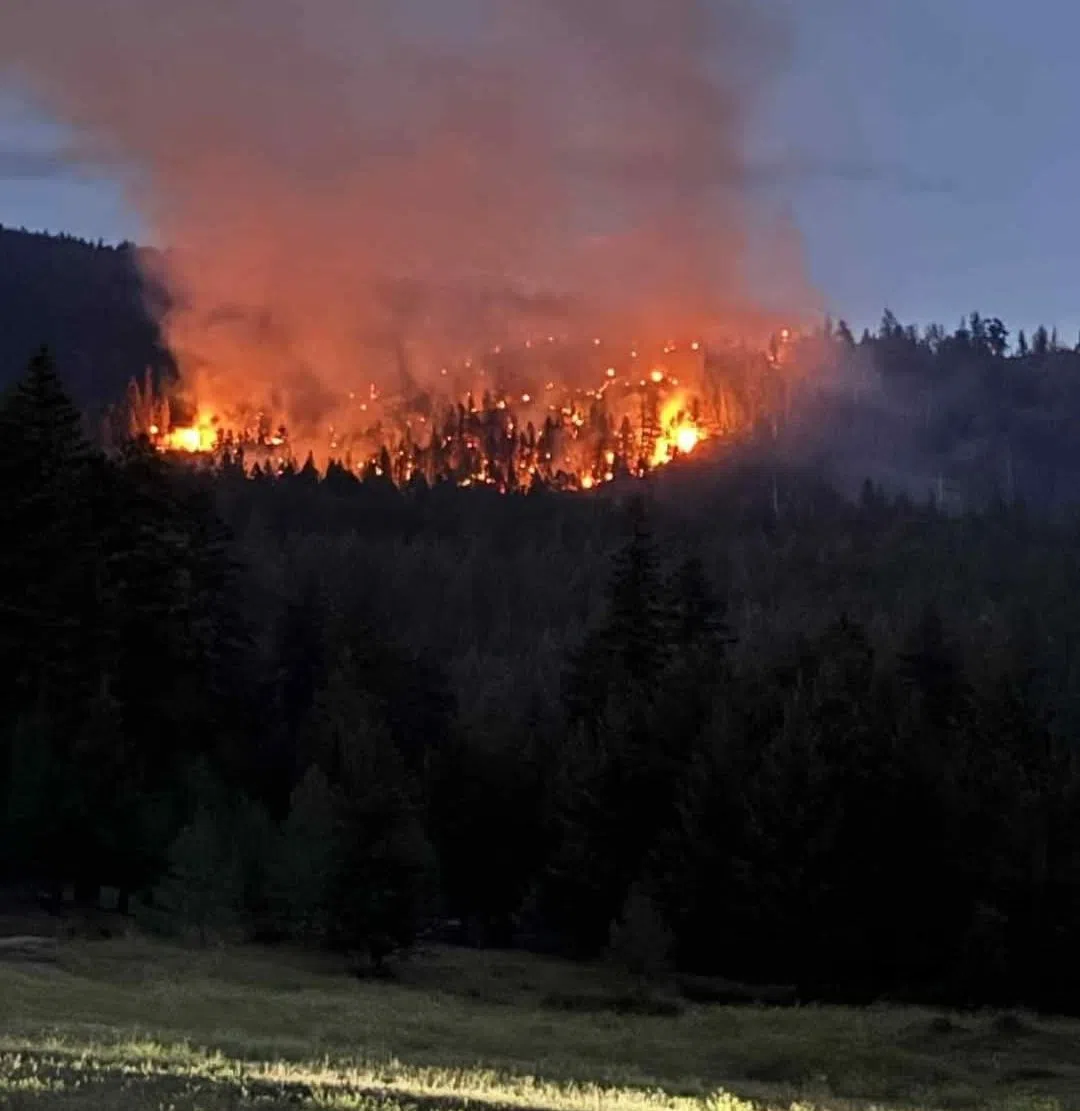
Wildfire in the Heffley Creek area to the north of Kamloops. One of two lightning-caused fires which broke out on Wednesday/via Patti Phillips (July, 2025)
Environment & Climate Change Canada recently released its list of the top 10 weather events of 2025 across the country, highlighting extreme storms, snowfalls, and heat waves from coast to coast. While much of Canada saw snowstorms in Ontario, hurricanes in Atlantic Canada, and Arctic storm surges, British Columbia’s story was defined by wildfires, drought, and record-breaking heat. These events tested communities, ecosystems, and infrastructure, making 2025 one of the most challenging years on record for the province.
Early Wildfire Activity and Ongoing Drought
B.C.’s wildfire season began early in April, with persistent dry conditions and low snowpacks fueling the flames. In northern regions, fires near Dawson Creek and Chipewyan Lake forced evacuations and destroyed homes. The fires were intensified by gusty winds, which spread flames rapidly across forests and grasslands.
Drought conditions worsened throughout the summer, leaving soil and rivers parched. The Thompson-Okanagan region saw critically low water levels, prompting fish protection measures to safeguard salmon populations. Reservoirs and municipal water supplies were strained, and farmers faced crop losses due to insufficient irrigation.
Record-Breaking Heat
B.C.’s late-summer heatwave was one of the most extreme in the province’s history. Between late August and early September, a stubborn ridge of high pressure brought hot, dry, and sunny conditions:
- Lytton reached 40°C or higher for four consecutive days.
- Ashcroft set a new all-time September record at 40.8°C.
- Communities including Comox, Vancouver, Penticton, Kelowna, and Kamloops recorded their warmest September ever.
This heat wave worsened drought conditions, heightened wildfire risk, and created prolonged periods of poor air quality across much of the province.
Wildfires and Smoke Impact
The combination of record heat and prolonged drought fueled intense wildfires across B.C. Smoke from these fires persisted into September, affecting communities from Vancouver Island to the Interior. Emergency evacuations were required in several areas, and highways were temporarily closed due to fire danger.
The fires also had cascading impacts on agriculture, wildlife, and air quality. In addition to direct destruction, low river levels and parched landscapes threatened fish populations and made firefighting efforts more challenging.
Indirect Impacts from National Weather Events
While B.C. avoided the worst of eastern snowstorms and Atlantic hurricanes, some national events indirectly affected the province:
- Prairies storm havoc (August 20): Severe thunderstorms across Alberta and Saskatchewan highlighted extreme summer weather patterns that influenced western B.C.’s fire risk, as drier air and shifting wind patterns pushed smoke and hot conditions westward.
- Arctic storm surge (August 30): While Tuktoyaktuk’s flooding didn’t reach B.C., northern communities monitored similar storm systems for potential impacts on river flows feeding into the Yukon and northern B.C. watersheds.
A Year of Contrasts
Western Canada, especially B.C., experienced extreme heat and drought, while parts of the Prairies and northern Ontario saw unusually cool conditions in early September. This stark temperature contrast underscored the variability of Canadian weather and emphasized the challenges of managing resources, agriculture, and emergency response across diverse climates.
Looking Ahead
2025 has been a wake-up call for British Columbia. Wildfires, record heat, and prolonged drought dominated the province’s weather story, highlighting vulnerabilities in communities, ecosystems, and water management. As climate change continues to intensify extreme weather, B.C.’s experiences in 2025 offer lessons in preparedness, resilience, and adaptation for future years.
You can find Environment & Climate Change Canada’s full top 10 list here.