



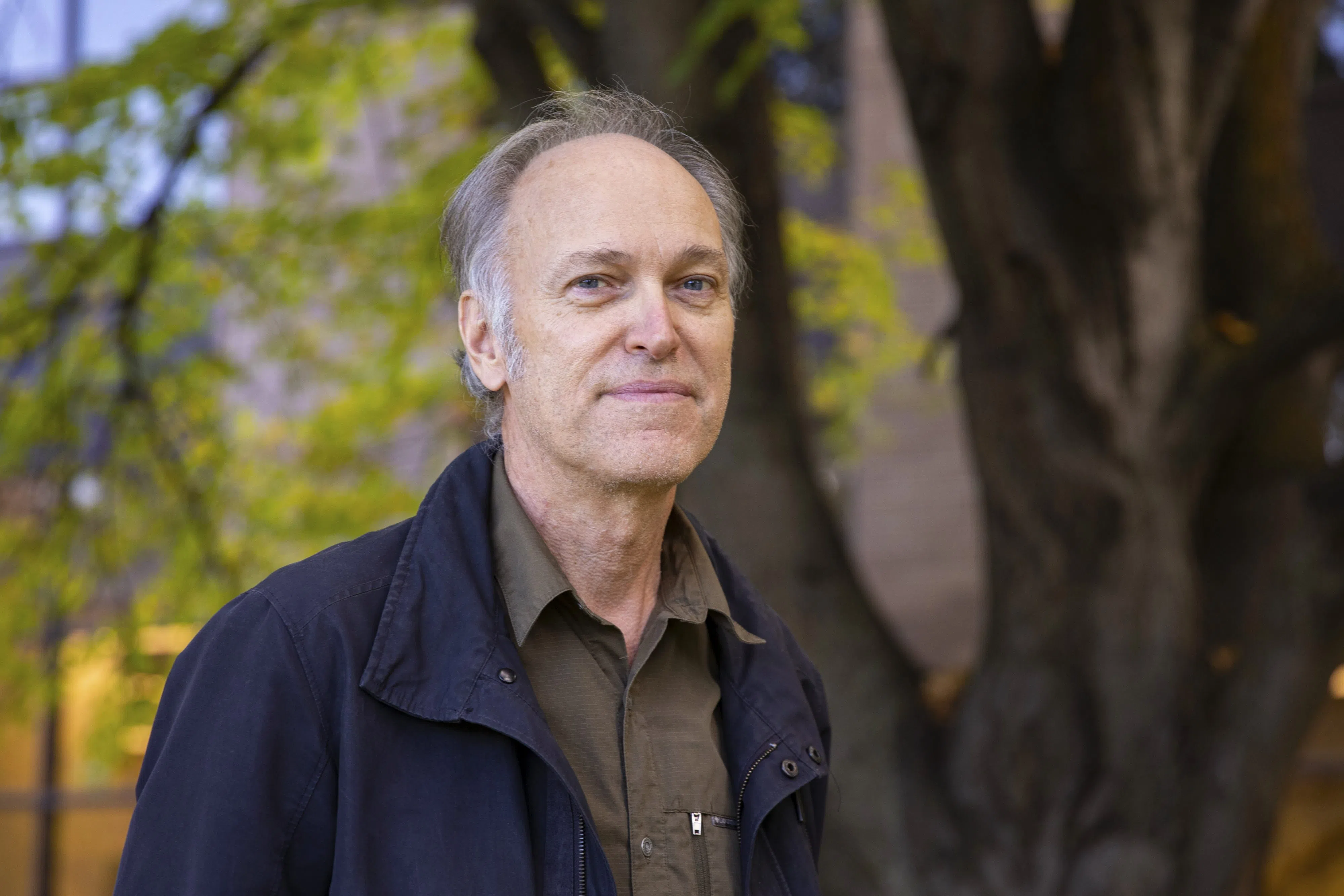
A highly uneven snowpack across British Columbia is raising early concerns about wildfire risk in the Kamloops region as warmer weather takes hold, according to Mike Flannigan of Thompson Rivers University.
Flannigan said the province is facing a “mixed bag” heading into spring, with northern and eastern regions generally above normal, while the south coast and much of the southern Interior—including the Thompson region around Kamloops—are significantly drier.
“In the Central Interior—from the Chilcotin through the lower Thompson—we’re seeing snowpack levels from zero to 30% of normal,” he said. “We didn’t have much snow in Kamloops this winter, and most valley bottoms were largely snow-free.”
He warned that low snowpack combined with existing drought conditions means fuels are likely to dry out earlier than usual once melt begins, increasing the window for wildfire ignition.
“When the snow goes, the soil is already dry,” Flannigan said. “We’re essentially ready to burn.”
Province-wide average hides sharp regional contrast
New provincial data shows B.C.’s average snowpack sits at about 92% of normal as of April 1—up from 79% last year—but officials stress this masks major regional differences.
While northern and northeastern regions such as the Peace and Nechako are seeing 110 to 136% of normal snowpack, the southern Interior is much lower. The Nicola region is at about 51% of normal, the Okanagan around 58%, and Vancouver Island just 44%.
The bulletin also notes that several southern and coastal areas are experiencing near-record low snow water levels at lower elevations, raising early-season drought concerns.
Early fires already emerging in B.C.
Wildfire activity is already underway in parts of the province, including recent incidents near Pemberton and Lytton, underscoring how quickly dry conditions can translate into ignition.
A wildfire east of Merritt, also highlights the early-season risk. The fire remains 550 hectares in size and is now classified as “held,” meaning it is expected to stay within its current perimeter under current conditions, according to the BC Wildfire Service.
The fire, believed to be human-caused, briefly surged in size earlier in the week before crews stabilized its spread.
Hotter summer outlook adds concern
Flannigan said long-range forecasts are increasingly pointing toward a hotter-than-normal summer, particularly across southern and central B.C., though precipitation remains less certain.
“Temperatures are the more reliable signal—and it looks like a hot summer,” he said.
He added that a potential shift toward El Niño conditions could further increase heat and drying across the province, worsening fire risk in already vulnerable regions like the Thompson.
Human activity still a major driver
Despite the environmental risk factors, Flannigan emphasized that most early-season fires remain human-caused and therefore preventable.
“Most of these fires are human-caused—and that means they’re preventable,” he said. “We’re at that stage of the year where dry grass and forest litter ignite easily.”
He also stressed that while B.C.’s firefighting agencies are well-prepared, weather and fuel conditions ultimately drive fire severity.
With Kamloops and the surrounding Thompson region already showing low snowpack and early drying trends, Flannigan said the key unknown will be spring rainfall.
“If we don’t get those May and June rains,” he warned, “we’re going to be primed to burn.”