




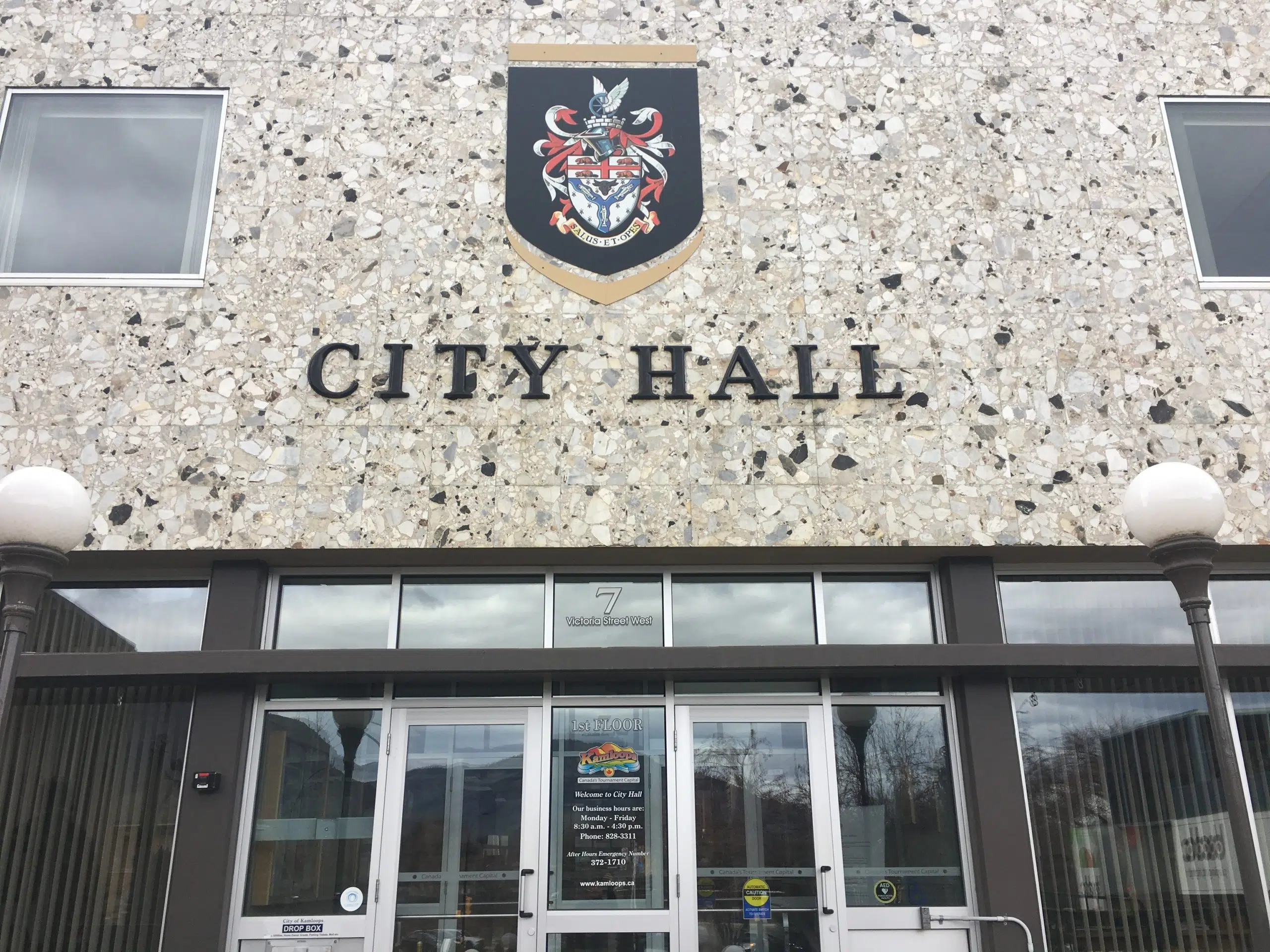
New tax measures and shifting provincial policies could drive up costs for both the City of Kamloops and its residents over the next two years, according to a staff memo presented to council this week.
Corporate Services Director Dave Hallinan outlined key implications of the Province’s 2026 budget in a report that highlights growing fiscal pressures, tax changes, and potential affordability concerns.
The provincial budget, narrowly passed earlier this year after a tie-breaking vote by the Speaker, projects modest economic growth alongside rising deficits that are expected to peak at $13.3 billion in 2026/27.
New taxes and rising municipal costs
Among the most immediate concerns for the city is the expansion of the provincial sales tax to professional services starting October 1, 2026.
Hallinan told council the change could increase operational costs for routine municipal services.
“These costs are going to impact things like our annual audit, legal fees, and engineering and architectural services,” he said. “We’re still monitoring exactly how significant that impact will be.”
The tax expansion has already drawn pushback from business groups, including the BC Chamber of Commerce and the Greater Vancouver Board of Trade, which are advocating for a rollback.
Kamloops council also signalled its opposition. Councillor Stephen Karpuk said delegates at a recent regional meeting in Revelstoke overwhelmingly supported removing municipalities from PST obligations altogether.
“We will be advocating the province at the highest level,” Karpuk said.
Property tax pressures on residents
While some changes take effect this year, others are expected to hit residents harder beginning in 2027.
Hallinan pointed to the planned reduction of the Home Owner Grant, which will drop by $200 for many residents. The change effectively translates into an estimated eight per cent increase in overall property taxes for affected homeowners.
“None of that increase is the responsibility of local government,” Hallinan said, noting the tax is collected on behalf of the province and school districts.
Additional measures include:
- Higher taxes on high-value homes through increased Additional School Tax rates
- A rise in the Speculation and Vacancy Tax for foreign owners
- Changes to the Property Tax Deferment Program, including higher, compound interest rates
Hallinan said the deferment changes are already being felt by some residents relying on the program to delay property tax payments.
Council frustration over provincial direction
The discussion prompted sharp criticism from some members of council.
Councillor Nancy Bepple raised concerns about compounding financial pressures from climate change, citing research from the Canadian Climate Institute suggesting infrastructure maintenance costs could more than double without proactive adaptation.
Councillor Dale Bass was more blunt, accusing the provincial government of placing municipalities in an increasingly difficult position.
“They’re not just downloading anymore — they’re making it impossible for us to do anything,” Bass said, expressing concern about impacts on seniors, homeowners, and local governments.
Council also noted the loss of climate-related funding programs, which previously supported local initiatives.
Wildfire funding and long-term outlook
Not all measures were viewed negatively. The province has committed $15 million to expand the FireSmart program, which supports wildfire preparedness in communities — a benefit for Interior municipalities like Kamloops.
Still, Hallinan emphasized that many financial impacts remain uncertain. City staff are continuing to assess cost implications, with clearer estimates expected during upcoming five-year financial planning discussions.
“This is really a snapshot,” he said. “We expect to see these impacts unfold over the next couple of years.”
Community events continue
Despite the fiscal concerns, council also highlighted upcoming community engagement opportunities, including a downtown planning event at the local farmers market and Emergency Services Day at McArthur Island.
Officials say ongoing collaboration with provincial leaders — including Jobs and Economic Growth Minister Ravi Kallon — aims to support economic development in the region.
Deputy Mayor Katie Neustaeter noted that while challenges lie ahead, community participation remains strong.
“There’s no reason to be bored in Kamloops,” she said.