




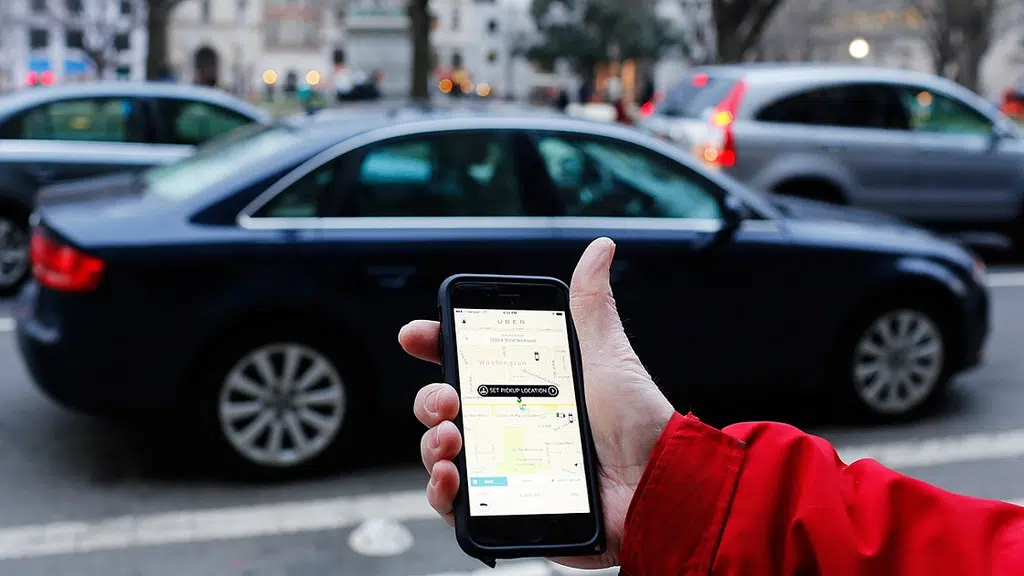
There will be no limits on fleet sizes for ride-hailing services like Uber and Lyft in BC when the service gets underway later this year.
Passenger Transportation Board Chair Catharine Read however says a cap may be issued if it is needed. She says the PTB will be monitoring data from ride-hailing vehicles which will help with future decisions.
“We know from other jurisdictions that it takes years for Transportation Network Services (TNS) to ramp up,” she said. “This will be especially the case with the Class 4 Driver’s licence requirements. A cap will depend on issues associated with TNS fleet size such as congestion.”
Unlike taxis that are restricted to parts of Metro Vancouver, ride-hailing vehicles will be able to pick up passengers right across the region.
“Transportation network services will have larger operating areas than taxis because this is required under their business model,” Read noted. “The model relies on a large pool of vehicles and drivers and a large number of passengers who use an app to set and collect fares.”
Companies will still be able to apply to operate in B.C. as of September 3. They will have to charge a minimum floor rate, based on taxi flag rates in the operating area.
“They will also not be able to use coupons or discounts to charge below this rate,” Read said, noting the rate is usually between $3.25 and $3.95 for taxis in Metro Vancouver. “They will be able increase their rate because that expands supply of drivers to meet passenger demand at peak times.”
Read did also admit that taxi companies are opposed to the lack of geographical boundaries for ride-hailing services, but says the PTB doesn’t have the data to change the geographical rules for taxi companies.
As it stands, Lyft and Kater have both announced plans to apply to operate in Metro Vancouver. Uber is expected to follow suit, but there has been no official announcement.
Both Lyft and Vancouver-based Kater previously told Radio NL they intend to operate outside of Metro Vancouver as soon as possible.