




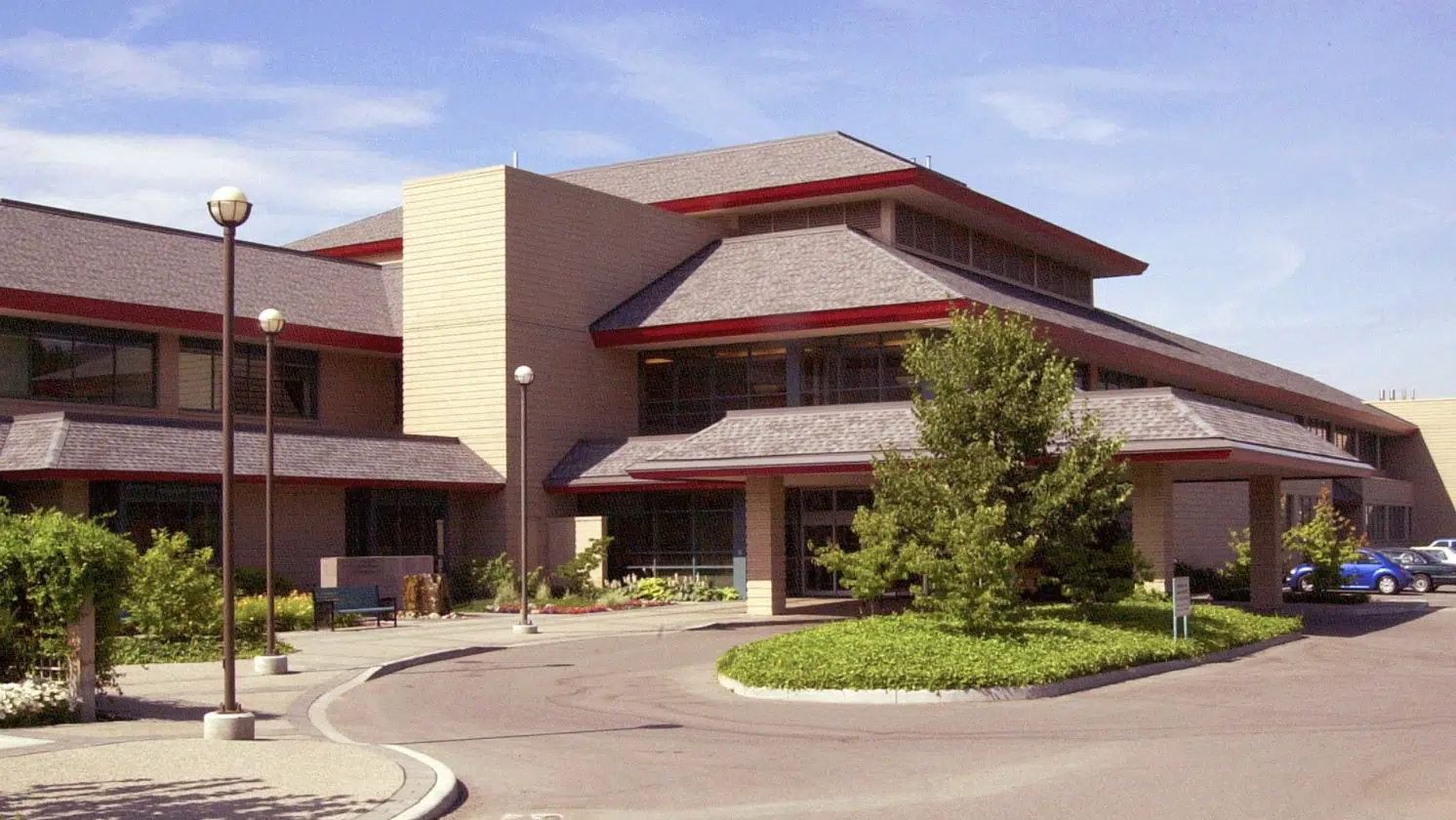
The B.C. Government says a new PET/CT scanner will be coming to the BC Cancer Centre in Kelowna, the first such machine in the Interior.
Chief Medical Officer at BC Cancer, Dr. Kim Nguyen Chi, says this will mean people from Interior communities won’t have to travel to the Lower Mainland to get a scan.
“It’ll only increase the capacity to do PET/CT scans all across the province, but it will ease the burden for patients that are dealing with cancer in the Interior to access this important imaging in order for us to plan their treatments and bring their care closer to home,” he said.
He notes PET/CT scanning is a very specific method to detect cancer.
“It combines both molecular diagnostics as well as imaging diagnostics. More and more PET scanning is becoming a critically important tool to diagnose and assess treatment response for a variety of different cancers. This enables us to best design to personalize treatment plans for our patients.”
The total project cost $10.5 million. The BC Cancer Foundation contributed $5.3 million, in part due to support from over 2,100 donors, while the other $5.2 million came from the Ministry of Health through the Provincial Health Services Authority.
“Cancer is frightening enough, and having to deal with the burden of travel, the emotional stress on families is a terrible thing, and now that has been lifted,” Sarah Roth, the CEO of the BC Cancer Foundation said. “We are thankful to our donors so that our patients and families in the Interior don’t have to deal with this burden.”
This is the second publicly funded scanner outside of the Lower Mainland, after one was opened in Victoria last year.
Health Minister Adrian Dix says about half of British Columbians are expected to get a cancer diagnosis in their lifetime. He adds in 2019-20, there were 1,151 scans done for people from the Interior at BC Cancer in Vancouver. He notes once this new scanner is fully operational, it is expected to provide more than 2,000 scans per year.
A PET/CT scanner is a critical component of enhanced cancer care. It delivers precise images of abnormal or cancerous cells. These images can help physicians diagnose cancer at an early stage or evaluate the effectiveness of treatments by determining if a patient’s cancer tumours have shrunk, spread or returned.
(Photo via BC Cancer)