




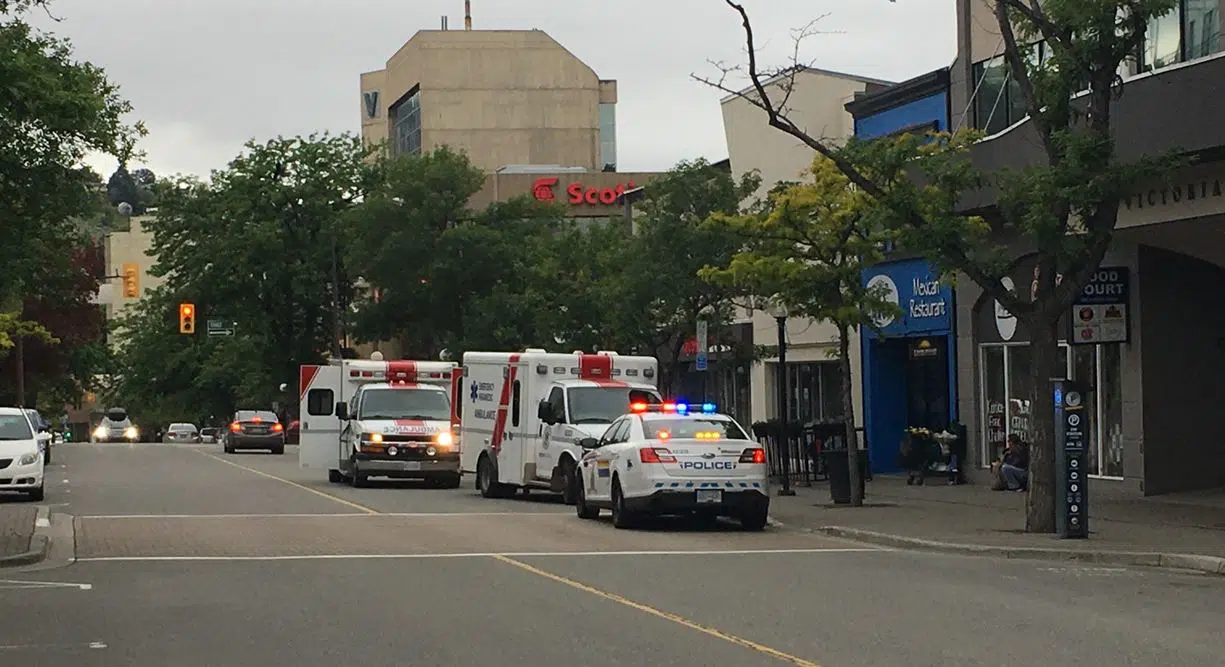
There were another 147 people who died of an illicit drug overdose in B.C. in the month of August – an increase of 71-per cent compared to the same month last year, which saw 86 overdose deaths.
It means there have now been six consecutive months with over 100 illicit drug toxicity deaths in British Columbia, though August numbers are down 16 per cent from the 176 deaths in July.
“It’s certainly its better than it was. We’re up to 181 and 180 deaths for July and June respectively. But at some point these numbers kind of blur,” said Coroners Spokesperson Andy Watson.
“I think the fact that we’ve had six consecutive months now with more than 100 people dying in our province from illicit drugs, that’s what sort of stands out for me.”
Within the Interior Health Authority – there were 15 people who lost their lives to an overdose in August – four of those were in Kamloops, which has now seen 36 overdose deaths this year, ten more than the 26 reported in all of 2019.
Across B.C., the death toll is 1,068 people through the first eight months of the year, which has surpassed the 963 lives lost to an overdose in 2019.
BC Emergency Health Services say they responded to about 7,500 overdose calls across the province this summer, making it the highest number of overdose calls ever recorded in a three-month stretch.
Men still make up the majority of the victims with the death rates for men between 19 to 29 and 40 to 59 years old increasing in recent months and remaining high.
By Health Authority, in 2020, the highest number of illicit drug toxicity deaths were in Fraser and Vancouver Coastal Health Authorities, making up 60 per cent of all such deaths during this period.
“I think all this information, it really clarifies for us that we are dealing with an issue of supply,” Watson added. “And we need to continue to be courageous and to try and be innovative to try and look for other solutions toward access toward safer supply.”
The province has responded to the increase in overdose deaths by allowing healthcare professionals like registered and psychiatric nurses to prescribe safer drugs for people who are at risk of overdosing under a new public health order issued by Provincial Health Officer, Dr. Bonnie Henry.
“Giving physicians and nurse practitioners the ability to prescribe safer pharmaceutical alternatives has been critical to saving lives and linking more people to treatment and other health and social services,” Henry said last week.
– With files from Brett Mineer