



Kamloops City staff are monitoring the drought conditions that are impacting both the North and South Thompson river watersheds this summer.
According to data from the province, both watersheds have been at drought level four on a scale of one to five for the past week, since July 28.
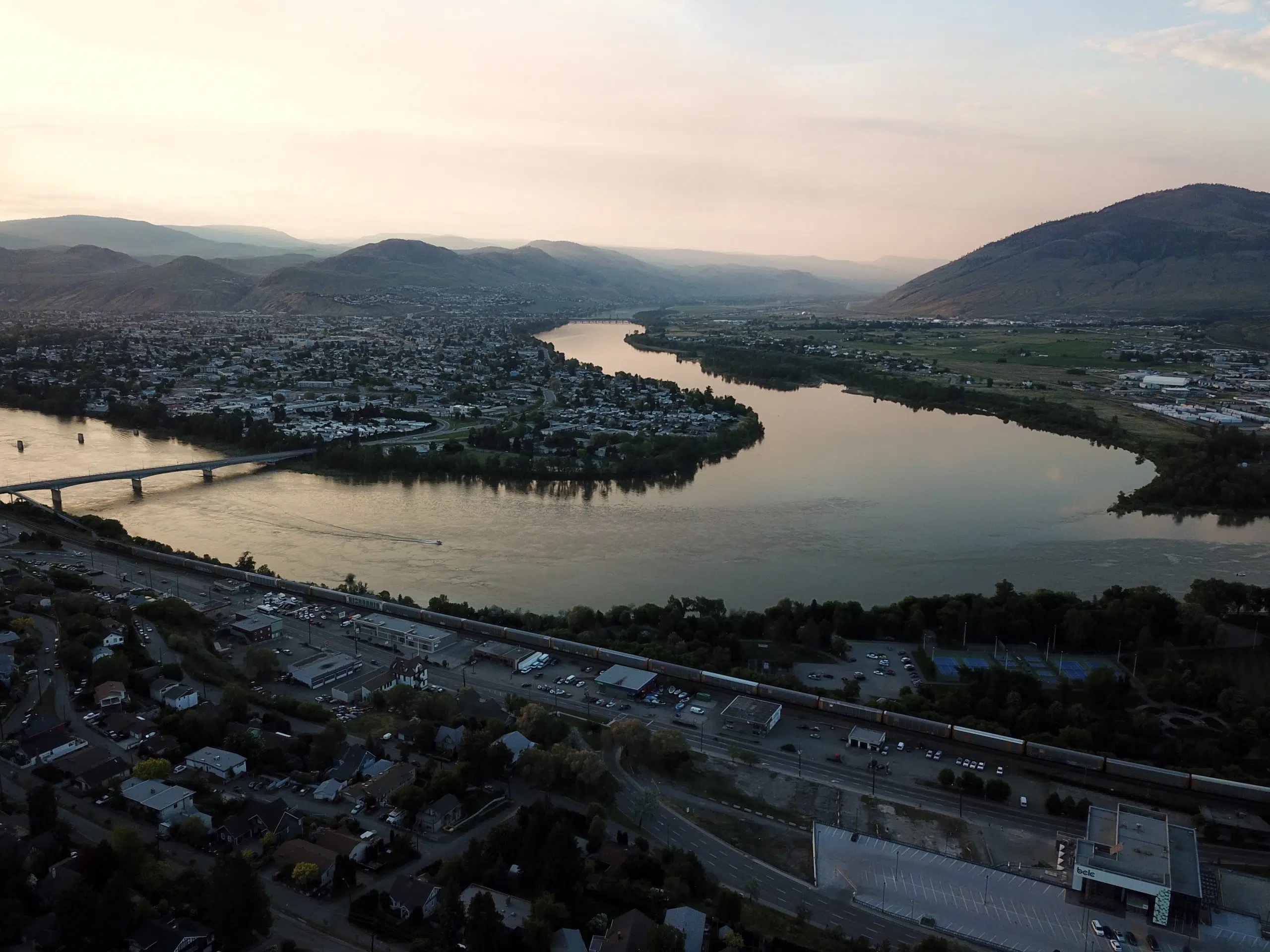
The City of Kamloops gets most of its water from the South Thompson River, which Utility Services Manager, Greg Wightman, says has a fairly consistently supply of water unlike some other smaller rivers also impacted by drought.
“The impacts of droughts on our water supply aren’t as severe as what you see in places that pull out of smaller water systems,” he told NL News. “We certainly have our water restrictions that we put in place every year, along with the water meters that we have in all of our residential services. That’s kind of our conservation efforts.”
“We’ve seen a 30 per cent reduction in water use since the water meters were installed, and those sprinkling restrictions were put in place. That’s kind of our go-to annual response to summertime drought.”
In addition to the Thompson river watershed, the Salmon, Nicola, Coldwater, Lower Columbia, West Kootenay, and Kettle river watersheds are some of the others currently at drought level four. In all, there are 12 river watersheds impacted in British Columbia.
Earlier this month, Kamloops-area residents were told to reduce their water use by 30 per cent because of drought and water scarcity in southern British Columbia after a hot and dry spring.
“We were seeing numbers that we haven’t seen in almost 20 years just over those couple days, which is understandable with the fire threat and that’s something that we certainly expected,” Wightman added, noting there was some unprecedented water use when temperatures were into the mid-40s at the end of June.
“We were able to meet that operational need just through manipulating our system to pump the amount of water that people are trying to use.”
More than six months since many communities saw a normal amount of precipitation: Environment Canada
Meanwhile, a local meteorologist says it’s been more than half a year since many parts of the southern Interior saw a normal amount of precipitation.
“The last time I remember any significant precipitation in Kelowna when I look back was December. That’s a half a year where we haven’t had a normal month, and some of them have been extremely dry,” Doug Lundquist with Environment Canada told NL News. “It is the same for many locations across the Southern Interior.”
“Kamloops has had a little more precipitation, but it is still not enough. It has been unprecedented.”
Lundquist says these dry conditions are a big reason we’re seeing extreme wildfire conditions this summer.
“Let’s not start any new human caused fires because Mother Nature and lightning will do enough of it herself,” he added. “I am of course concerned but also hopeful at times because there are ups and downs with weather.”
Moving forward, Lundquist is hopeful that we could get more rain during August before we get into the the fall.
“Maybe the pattern will have started to shift a little bit. There’s always hope,” Lundquist added. “But as we get more and more into fall, it is out driest season, tied with spring and we’ve had that record spring drought with very little rain this summer.”
For the latest information on the drought, go here.
– With files from Colton Davies