




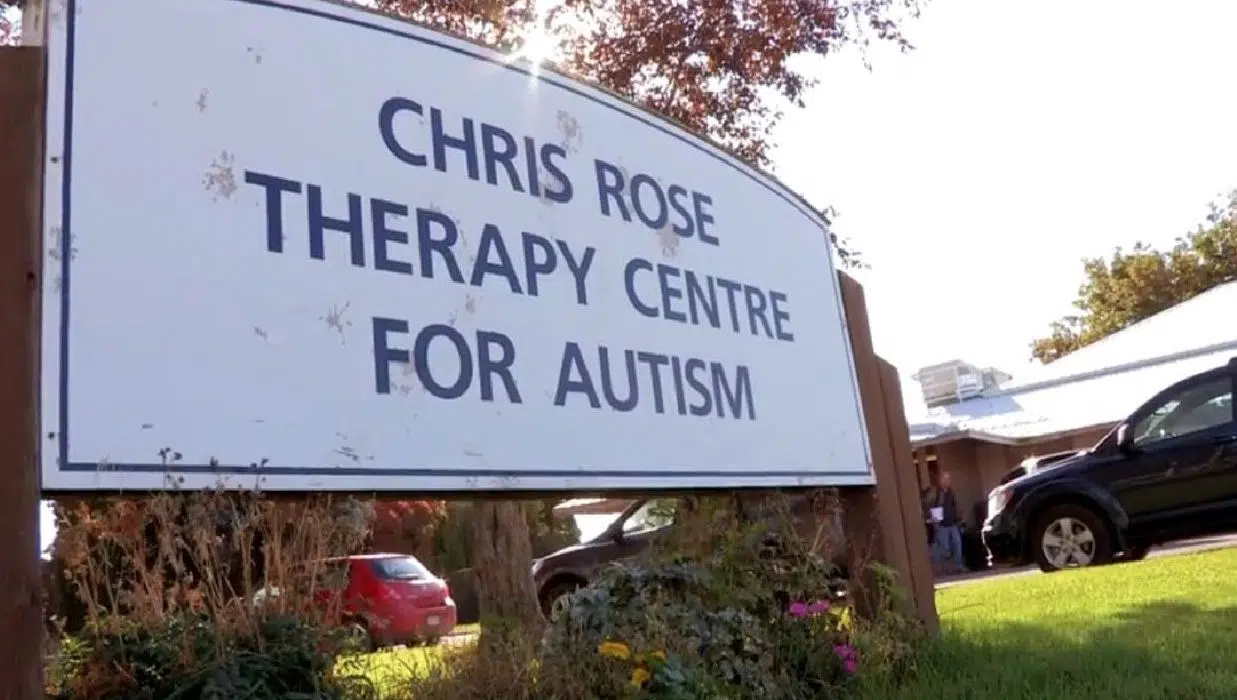
Photo via Chris Rose Therapy Centre for Autism
A B.C government plan to create a hub model for services to neurodiverse children has some parents worried and upset.
The new model will bring an additional 8,300 previously ineligible kids into the system – like those with fetal alcohol spectrum disorder – even if they don’t have a diagnosis.
“The existing patchwork of programs has left too many children and youth with support needs behind,” Mitzi Dean, B.C.’s Minister of Children and Family Development, said.
“That’s why we’re putting children and youth at the centre of our new system and making it easier for families to get the high-quality services they need, regardless of where they live in the province.”
As a first step, Dean says these hubs will open in two areas – the Northwest and Central Okanagan – starting in 2023, before being launched provincewide in 2024.
When the two new hubs are operational, parents and caregivers who are getting individualized autism funding and school-age extended therapy benefits will have the option to continue with the supports they have or to instead opt into the new hub services and supports.
The government says that choice will stay in place until 2025 at which point the individualized funding will be phased out.
Wanda Eddy, the executive director of the Chris Rose Therapy Centre for Autism in Kamloops, says she worries what community hubs will decide what kind of services kids will receive, and those hubs won’t be everywhere.
Speaking on NL Newsday, she said she worries what that means for more rural clients.
“Does that mean they’re travelling to get the service? Does that mean therapists from that hub will come to them? Which is not our take on how things are going to look but we’re not really sure about that,” Eddy said. “So I think there’s a lot of uncertainty and of course with that comes a lot of fear.”
While the province says it will switch to what they called a “needs-based” system over the next four years, Eddy says right now, nobody knows what that will mean for those who already have therapy and treatment plans in place.
“Families just don’t know what it means. They’re fearful that its a huge change to what they have,” Eddy added. “We don’t know what early intervention is going to look like versus age six and up to 19 – we just don’t know what that means when you say that its based on a needs basis.”
“A lot of families have worked a long time to create their therapy program to create what works for their child and now the fear is they’re starting all over again.”