




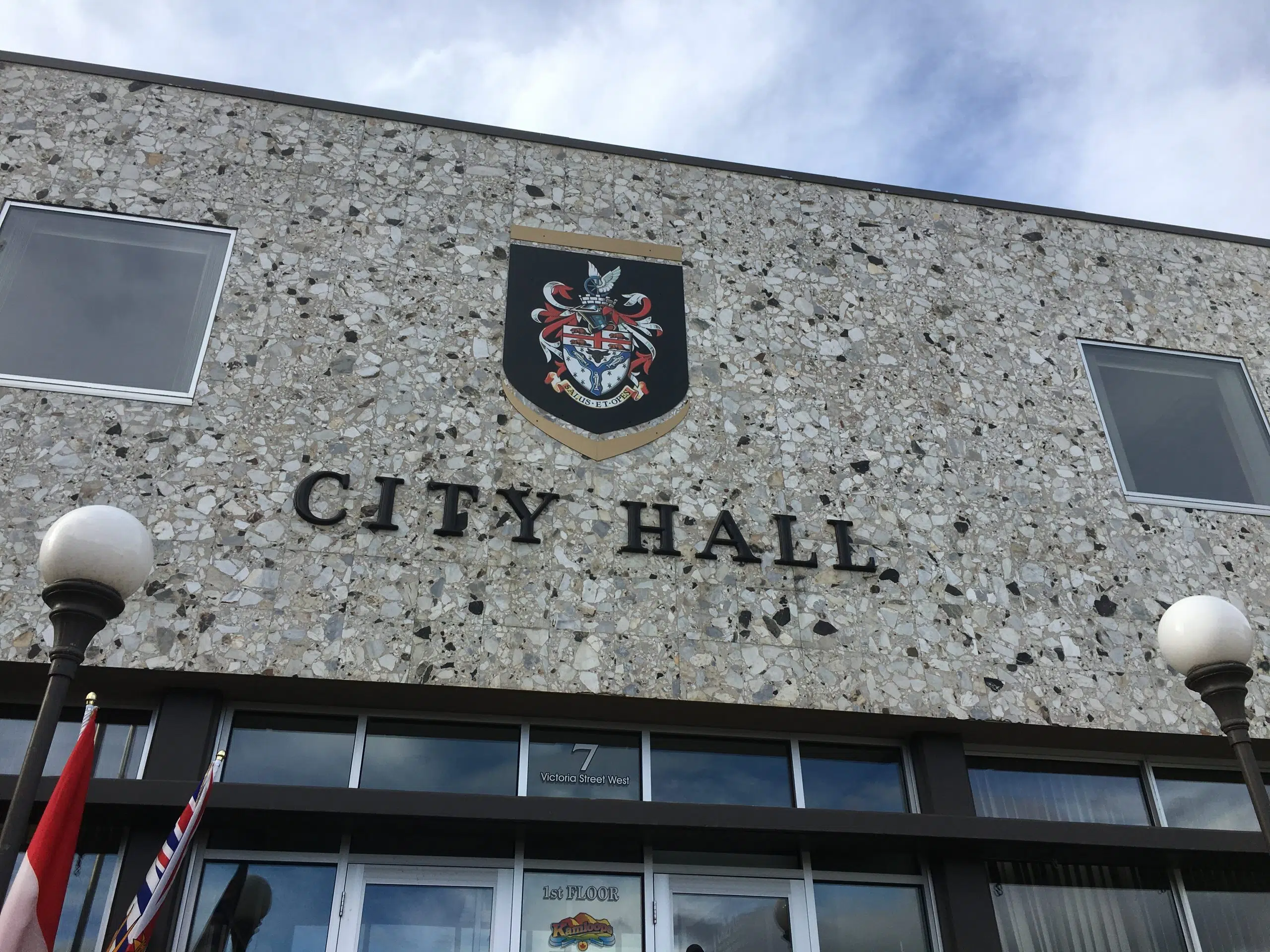
A notice of motion to review the feasibility of developing facilities that would provide greater help to people struggling with addictions and mental illness was defeated at Kamloops City Council this week.
One of the reasons it was voted down was because city councillors felt there were some redundancies to some work that is already ongoing.
“We don’t have staff that are waiting for an assignment in terms of what to research, and we don’t have a department of mental health and addictions – but other people do. There are other organizations that that is their sole reason to exist,” Mayor Ken Christian said, noting he had “a great deal of empathy” for the intent of the motion.
He also said it is risky to start taking on responsibilities that fall under provincial jurisdiction.
“I believe that they need to be forced to take this matter head on,” he added.
“We aren’t getting a lot of traction with them in terms of making them accountable for what is their mission in terms of the streets of Kamloops,” he said.
“I think if we just say ‘Well, they’re not going to do it, so we’re going to do it,’ I think is a very slippery slope for local government to start sliding down in terms of taking on everyone else’s issues.”
Councillor Mike O’Reilly also raised a similar point, saying he “pissed off” and saddened for people who haven’t been able to get the care they need, and for others who have been impacted by property crime and vandalism.
“[Things like new schools and highways] are all things in the scope of the provincial government, your municipal tax dollars should not be providing highways, healthcare,” O’Reilly said.
Councillor Denis Walsh, who put forward the motion, says the city needs better recovery services and the provincial government has yet to heed the calls of the municipality, calling a recovery centre “the missing link” in the City.
“It’s not about us paying for it. We need to advocate the provincial government to steer some of the money towards that. Otherwise we are going to pay for it anyway,” Walsh said.
“We already are in vandalism and crime and increased security. So one way or another if we don’t advocate, we’re going to be paying because they’re just downloading all these problems onto us.”
Walsh’s motion came on the heels of another one in Nov. 2021, which proposed that City staff study a wellness centre to be located at the Tournament Capital Ranch in Rayleigh or at another location in Kamloops. It too failed to gain enough support from his council colleagues.
“My concerns with this [new] motion is we can do all the research in creating a fantastic recovery centre,” she said. ”
“But A) if we can’t get the province to build it and B) if we can’t get the staff to staff and it, and C) if we can’t get the people who are facing addiction into these recovery centres, than what have we spent all this time and energy for?”
Sinclair also said there seemed to be a lot of misinformation in the community that council “does nothing and doesn’t care about addiction.”
“I do want to reiterate that for the last four years, this council has been lobbying the province and the federal government to support additional Car 40 units, for a sobering centre, to constantly lobby for more detox and recovery beds for youth and adults,” she added.
Added Councillor Dale Bass, “It’s not our job to create one and run it. It’s the province’s job, but we have to keep at them,” she said, noting she found the motion to be redundant owing to the work already taking place to address substance use and mental health.
“Look at our sobering centre business case. We’ve had it there for five, six years now and they’re still studying it. It must be written in Klingon because they obviously don’t get it.”
Walsh’s motion was defeated by a 4-5 vote with O’Reilly, Walsh, and Councillors Bill Sarai and Arjun Singh in favour, while Christian, Sinclair, Bass, and Councillors Dieter Dudy, and Sadie Hunter opposed.
City Councillors say they hope to build on this week’s discussion by talking with provincial ministers at the UBCM convention, which gets underway in Whistler on Sept. 12.
“What we need to keep doing is pushing the province and being louder,” Hunter, who is also a UBCM Director said.
“I think we can do definitely a better job of being louder, and asking for what we need here as a community, and advocating for our residents who need the help, but also for the residents who have felt the impacts of what we’re seeing in our community.”
– With files from Victor Kaisar