




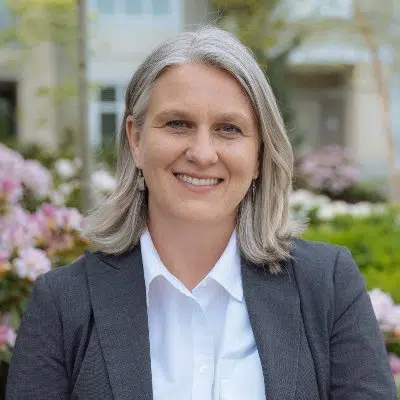
BC’s Mental Health, Addictions, and Recovery Critic warns the province isn’t fully ready as it marks the first day of decriminalizing some street drugs for personal use.
While the goal of the program is to reduce the stigma associated with addictions, BC Liberal Elenore Sturko says it is hard to achieve that when the province is lacking in terms of access to recovery, treatment, and support services.
“I think the biggest thing for us is that we’re incredibly lacking on the treatment and access even to things like counseling. For some people, especially youth, there’s like an eight, 10 or even longer month wait to get people in to speak to a counselor or a psychologist.”
Sturko says a lack of access to family doctors in BC makes it very difficult to reach out for help. She notes this as family physicians are often the first step for people in getting help to recover from their addiction.
“This idea of reducing stigma so that people feel less shame and feel more comfortable reaching out for help is a good idea; but if that help doesn’t exist, or you can access it, we’re not really achieving the point of the program.”
Additionally, Sturko says when it comes to addictions — it is not a black-and-white answer.
“There are many things that prevent people from coming forward with the struggles that they’re having.”
Sturko, who is also a former RMP officer, warns the pilot program, which is set to be in effect for the next three years, likely won’t clear up the justice system.
This is because, as Sturko explains, a de-facto decriminalization has been in place for close to a decade in BC.
“We weren’t arresting and then charging people for possession and filling our correctional facilities with people who had small amounts (of drugs) for possession. Even if you had forwarded a report to the crown council for a small number of personal use drugs, these charges wouldn’t be approved anyway,” she explained.
“A lot of the issues that we have seen with chronic repeat offenders is they are not coming into the court system because of possession. They’re coming into the court system because of different types of behaviors and criminal activity, potentially related to their drug use.”
Sturko says she will also hold the government accountable to ensure the Crown Prosecution Service is following through with charges for people who possess over the 2.5-gram threshold.
“I think the public would demand that even though we’re going through a pilot project, this cannot be anything other than what it’s meant to be, which is 2.5 grams for personal possession,” she added.
“We can’t have people then selling drugs. We cannot have people with large amounts of drugs giving it. We need to make sure that the rules of this pilot project are followed to the letter.”
RELATED: B.C. to begin decriminalization of small amounts of some illicit drugs Tuesday
The substances remain illegal, with the provincial and federal governments noting this exemption is not legalization. Instead, police officers will be handing out information on available health and social supports, while also helping with referrals when requested.