




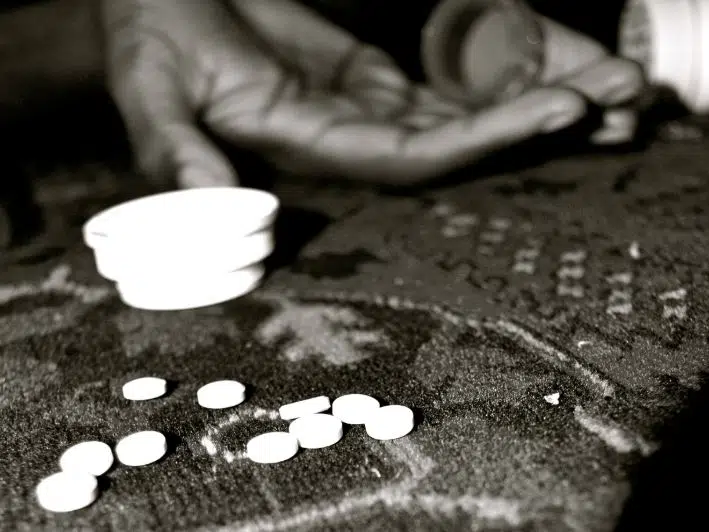
The BC Coroners Service says another four people in Kamloops lost their lives to illicit drugs in the month of September.
It takes the total on the year to 66, with the city on pace to hit 88 such deaths this year, breaking the old record of 77 set just last year.
Sources to NL News have said to expect a possible spike in the number of deaths reported in October. While the authorities have not confirmed that, Interior Health did issue an alert for drug users in the Kamloops area last week following “multiple non-fatal and fatal overdoses” in the community.
Across B.C., there were 171 people who died due to toxic drugs in September, bringing the total to 1,644 – the most its ever been in the first nine months of a calendar year, slightly ahead of last year’s total of 1,629 people.
“British Columbians are continuing to suffer the tragic effects of a toxic and volatile drug supply, with almost six members of our communities dying each day,” Chief Coroner, Lisa Lapointe, said.
“Both those who use drugs occasionally and those who are substance-dependent are at risk of sudden death from the unpredictable illicit market. Individuals who have been abstinent for a period of time or those who normally use stimulants are at increased risk. Their opioid tolerance is low and the prevalence of fentanyl in the illicit supply is high.”
With an average just under 183 toxic drug deaths a month this year, B.C. is on track to hit 2,192 such deaths in 2022, just shy of the record 2,267 set in 2021.
An estimated 10,505 people have died due to poisoned illicit drugs since B.C. first declared a toxic drug public health emergency in April 2016.
This new data from the BC Coroners Services comes as Carolyn Bennett, the federal minister of mental health and addictions, announced $5 million for chronic pain resources.
Bennett says up to $4.5 million over five years will go toward expanding the Pain Canada Network to enhance national collaboration while scaling up best practices and expanding resources for people living with chronic pain.
The other $520,000 will support a project to improve access to services for LGBTQ residents in B.C., as well as those in Chinese, Punjabi and Arabic-speaking communities living with chronic pain.
She says many of those who died from overdoses in B.C. had previously asked for help for their pain.
“We have all heard about people being cut off their meds and then going to the street for their drugs. We don’t think people should live in pain,” Bennett noted. “This will help increase pain management options and awareness about best practices from coast to coast to coast.”
– With files from The Canadian Press